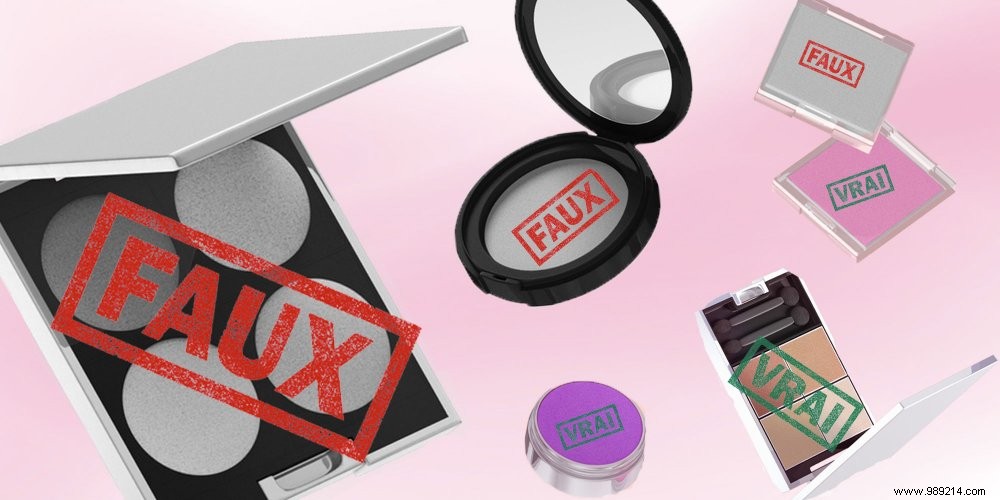
 Counterfeiting plagues the cosmetics industry more than many realize. Learn how these fake products infiltrate the market, spot them easily, and shop safely to sidestep scams.
 Customs seizures in 2021 revealed 9.1 million counterfeit items, with personal care products topping the list at over 1.7 million—surpassing games, toys, sports gear, and clothing. This marked a staggering +482% increase from the prior year, fueled by e-commerce surges during the COVID-19 pandemic.
Within personal care, perfumes and cosmetics dominated seizures. Makeup palettes from trendy brands like Anastasia Beverly Hills, Huda Beauty, Kylie Cosmetics, Urban Decay, and Morphe face rampant fakes flooding online marketplaces.
Brands suffer massive losses and rarely publicize the issue. A 2019 EUIPO report estimated that counterfeits cost the EU cosmetics sector 10.6% of sales—€7 billion annually. In France alone, it's 9.3%, or €1.2 billion in lost revenue each year.
Video of the day:The real danger lies in consumer health. "An unregulated cosmetic can harm skin and trigger allergies," explains the FEBEA (Federation of Beauty Companies), noting no dermatological testing, missing allergen info, unskilled production, ignored hygiene, and even banned ingredients.
Read also: Without parabens, anti-wrinkle... What beauty brands can no longer saySpotting fakes is challenging—even brands rely on detailed comparisons for sophisticated copies. Focus on packaging, purchase source, and pricing. In stores, check for spelling errors or low-quality printing.
For perfumes, off odors or colors are red flags. They're sold through authorized channels like perfumeries and selective retailers—not Sunday markets.
Online shoppers: Stick to official brand sites or trusted retailers, avoiding social media or second-hand platforms.
"Selective product makers authorize online sales only for vetted distributors with physical stores and high-quality sites offering solid advice," per FEBEA. Online sales extend in-store trust.
A 2009 anti-counterfeiting charter mandates platforms to control listings, detect fakes, swiftly delist counterfeits, and handle consumer reports effectively. It now covers classified sites and logistics partners.
Goals include advanced fake detection, quick removals, and streamlined reporting for victims.
Read also: The new Beauty entrepreneursDupes mimic big-brand colors and textures but use distinct packaging—not outright fakes.
Still, they're counterfeiting offshoots. Online "dupe lists" on shady blogs tempt buyers, but compositions differ vastly from originals backed by years of R&D. Results may look similar for makeup, yet safety and quality lag.
