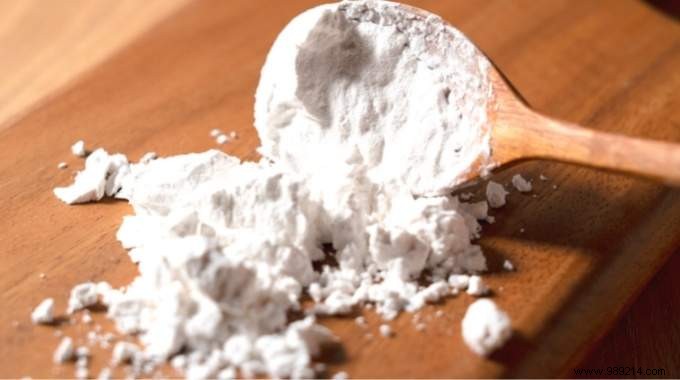
Wondering what to do with rice starch? As someone who's rediscovered this pantry staple from my own closet, I've uncovered its versatility firsthand. It's 100% natural, incredibly affordable, and a game-changer for cleaning, cooking, beauty, and baby care—thanks to tips from my experienced cook friend.
Explore the 9 practical uses and benefits of rice starch. Here's how:
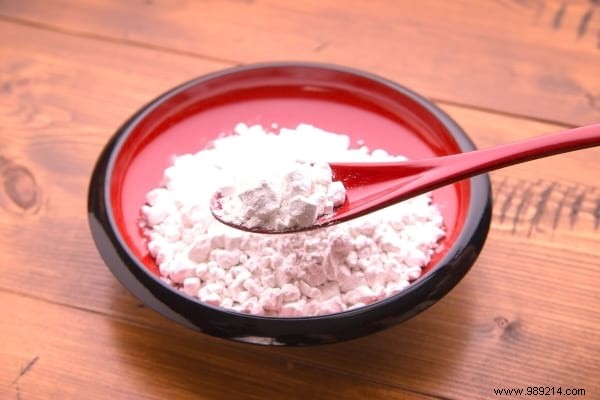
Rice starch is the finest and whitest of all starches, comprising about 30% of rice by weight per 100g. This fine white powder serves as an excellent thickener and is remarkably inexpensive, making it a natural, versatile essential.
Let's dive into its impressive properties:

If you wear white shirts often, you've likely battled those stubborn gray or yellowish collar stains that build up inside.
Chemical removers often fall short, but this natural method cleans and whitens shirt collars effectively.
Moisten the stained collar, sprinkle with rice starch, brush lightly to work it in, and let sit for 1 hour. Shake off, brush with soapy water, rinse, and dry.

A classic trick my grandmother swore by for crease-free ironing: Mix 4 tablespoons of rice starch in 600 ml of water.
Transfer to a spray bottle, mist onto laundry, ball it up to soak evenly, and iron while damp. The iron glides smoothly without sticking.
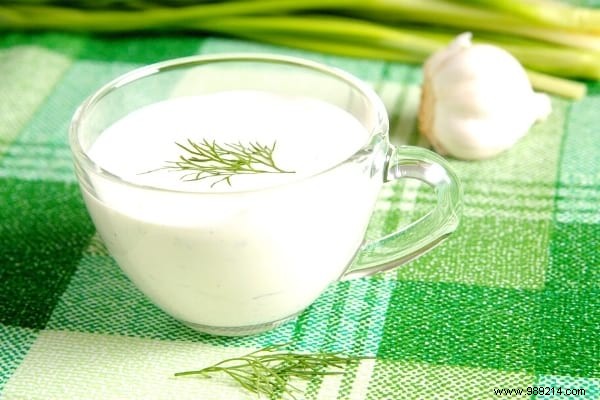
With its neutral flavor, rice starch excels at thickening sauces, flans, and desserts. Add 1-2 spoonfuls to bind sauces or soups, just like my grandma did.
Gluten-free, it's ideal for those with intolerances.

For centuries, rice powder has delivered that coveted porcelain glow. Today, it's a staple in cosmetics.
Apply with a large brush to cheeks, forehead, nose, and chin—no foundation needed for flawless skin.

Beyond evening tone, it banishes shine as a superior natural mattifier—more effective and cheaper than store-bought options.
Use daily under makeup; it holds for 6+ hours without oiliness.
Its exceptional absorbency shines in deodorants—eliminate underarm stains with this easy DIY recipe—and controls facial sebum for a matte finish all day.

Dilute rice starch in bath water to soften it and skip soap, protecting delicate baby skin from irritation.
For diaper rash, massage with a starch-water mix.

Save the starchy water from cooking rice and rinse hair post-shampoo. It imparts instant shine and eliminates the need for conditioner.
Use as a skin tonic too for smoother, softer results.
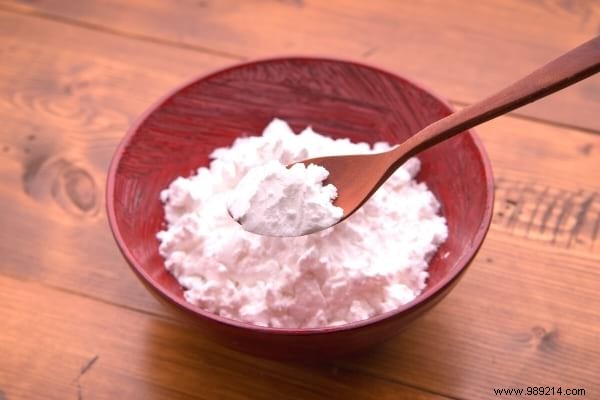
For pruritus or dry, itchy skin, sprinkle rice starch on affected areas—like talc—for immediate relief.
Available as powder, crystals, or liquid, opt for pure, additive-free organic powder.
Find edible versions in supermarkets, organic stores, or online.
Have you tried these rice starch hacks? Share your results in the comments—we'd love to hear!
