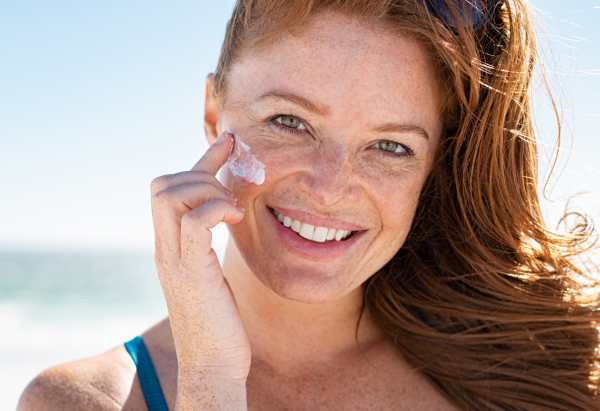
Applying sunscreen effectively is crucial for shielding your skin from harmful UV rays. As dermatology experts emphasize, avoiding these frequent pitfalls ensures optimal protection and reduces long-term risks like skin cancer.
Research reveals that most people apply only about a quarter of the recommended amount of sunscreen. This leaves skin underprotected. Aim for a handful to cover your body and a 2-euro-coin-sized dollop for your face to achieve full coverage.
All sunscreens require reapplication, regardless of SPF level or water resistance. Protection typically lasts about two hours in direct sun—and less if you're swimming or sweating. UV rays penetrate glass in cars or near windows, so reapply regularly throughout the day.
SPF primarily blocks UVB rays, but UVA rays—which cause premature aging and skin cancer—demand broad-spectrum protection. Many day creams and makeup offer only partial coverage. Always choose products labeled broad-spectrum for defense against both.
Sunscreens come in creams, sprays, sticks, and wipes. Creams are straightforward, but sprays often require multiple passes for even coverage. The key is forming a uniform protective film over your skin, so adjust application based on the formula.
Most sunscreens need 20-30 minutes to activate and bind to your skin before blocking UV rays effectively. Skipping this wait leaves you vulnerable during those initial moments of exposure—plan ahead every time.
Darker skin produces more melanin, offering some natural defense against burning. However, UV damage accumulates silently, raising skin cancer risks that may go unnoticed. Everyone benefits from consistent, high-quality sun protection.
We meticulously cover our faces but often neglect lips, ears, neck, and the backs of legs. These overlooked spots are prone to sunburn and skin issues. Take extra care to reach everywhere.
Sunburns seem temporary, but repeated exposure heightens melanoma risk—a deadly skin cancer that can spread to organs. Annual dermatologist skin checks and mole monitoring are essential; see a doctor promptly for anything suspicious.
Sunscreen is vital, but combine it with shade, UPF clothing, hats, and sunglasses. Tight-weave, dark fabrics provide superior UV blocking for comprehensive defense.
Check expiration dates—most sunscreens last about three years unopened. Holiday stashes can degrade, losing efficacy. Replace old products to maintain reliable protection.
Read also: The spots we most often forget to apply sunscreen to
