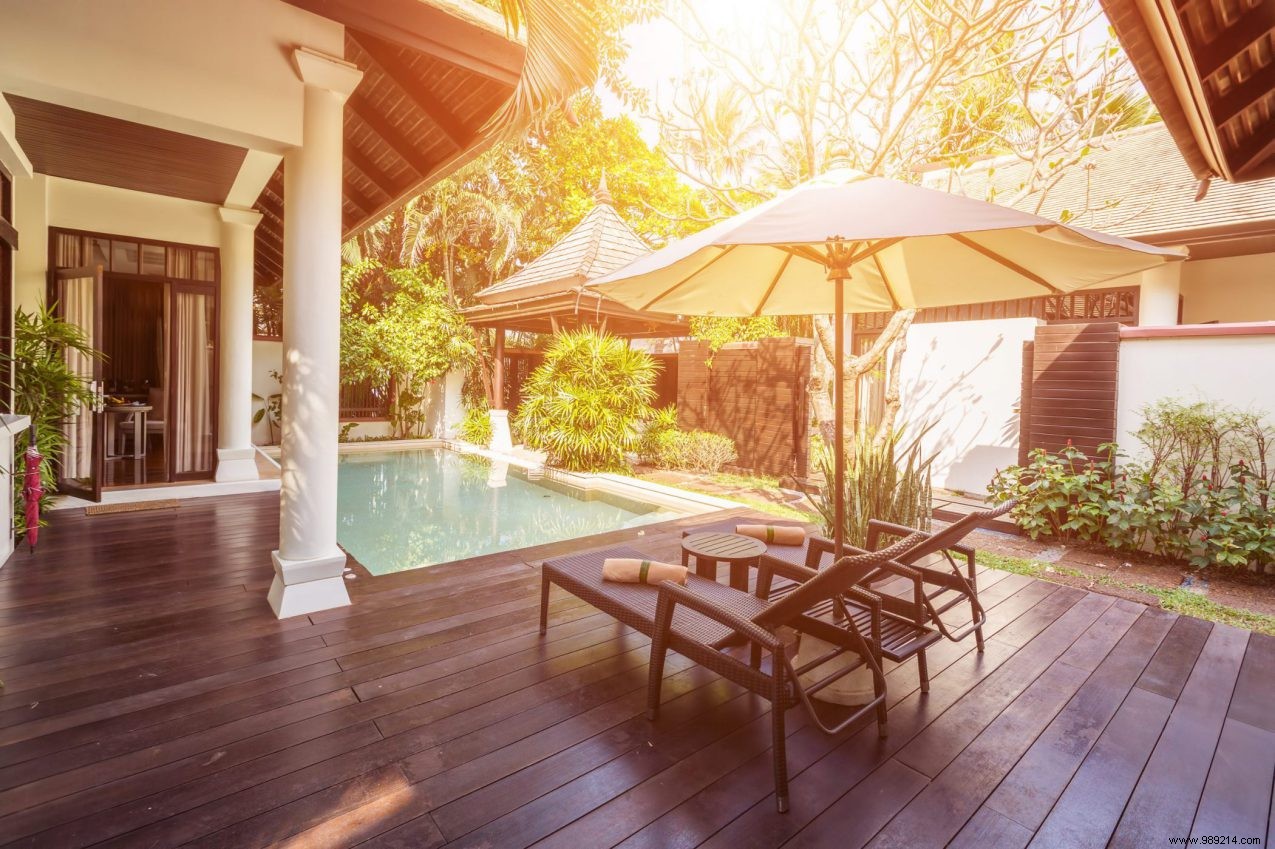
Picture yourself enjoying summer evenings in your garden or hosting a sunny dinner party. A reliable parasol is essential for comfort and shade. If yours is due for replacement or you're eyeing an upgrade, our expert tips will guide your purchase.
With endless options available, finding the right garden parasol ensures cozy outdoor living on patios or balconies, rain or shine.
Also read: 'What makes sunglasses good sunglasses?'
As seasoned garden enthusiasts, we've seen preferences evolve. Traditional upright parasols feature a central pole, often in wood or aluminum. Options include crank-open models, tiltable designs for optimal shade, or pulley systems—though the latter typically don't tilt. Cantilever (or floating) parasols have dominated gardens for decades, offering unmatched flexibility. Position the canopy anywhere without a central pole obstructing your table. Stability is key: pair it with a robust base, like one filled with 100 kilos of gravel or a heavy granite model.
Your style and space dictate the shape. Square parasols often have longer ribs for broader shade coverage, ideal for larger areas. However, they can be trickier to position over tables. Round models fold more easily above seating. Assess your setup to maximize shade where you need it most.
From years of hands-on experience, we recommend wiping dust with a dry cloth or soft brush. For tougher grime (like after rain exposure), use mild soapy water, rinse with lukewarm water, and dry fully before storage. Skip harsh cleaners or bleach—they degrade fabric and cause stains. Always close and cover when not in use.
Pro tip for cooler evenings: Open your parasol during the day to trap solar heat, creating a cozy warmth underneath come nightfall.
