Have you noticed blackheads popping up after applying certain vegetable oils to your skin? This could stem from the oil not matching your skin type, application area, or low quality. But often, it's due to the oil's comedogenic nature. Wondering what that means and how to spot comedogenic vs. non-comedogenic oils? As skincare experts with years of guiding clients to radiant skin, we'll break it down so you can select oils tailored to your skin's needs.
To grasp why comedogenic oils cause issues, let's define them clearly. It's simpler than you think!
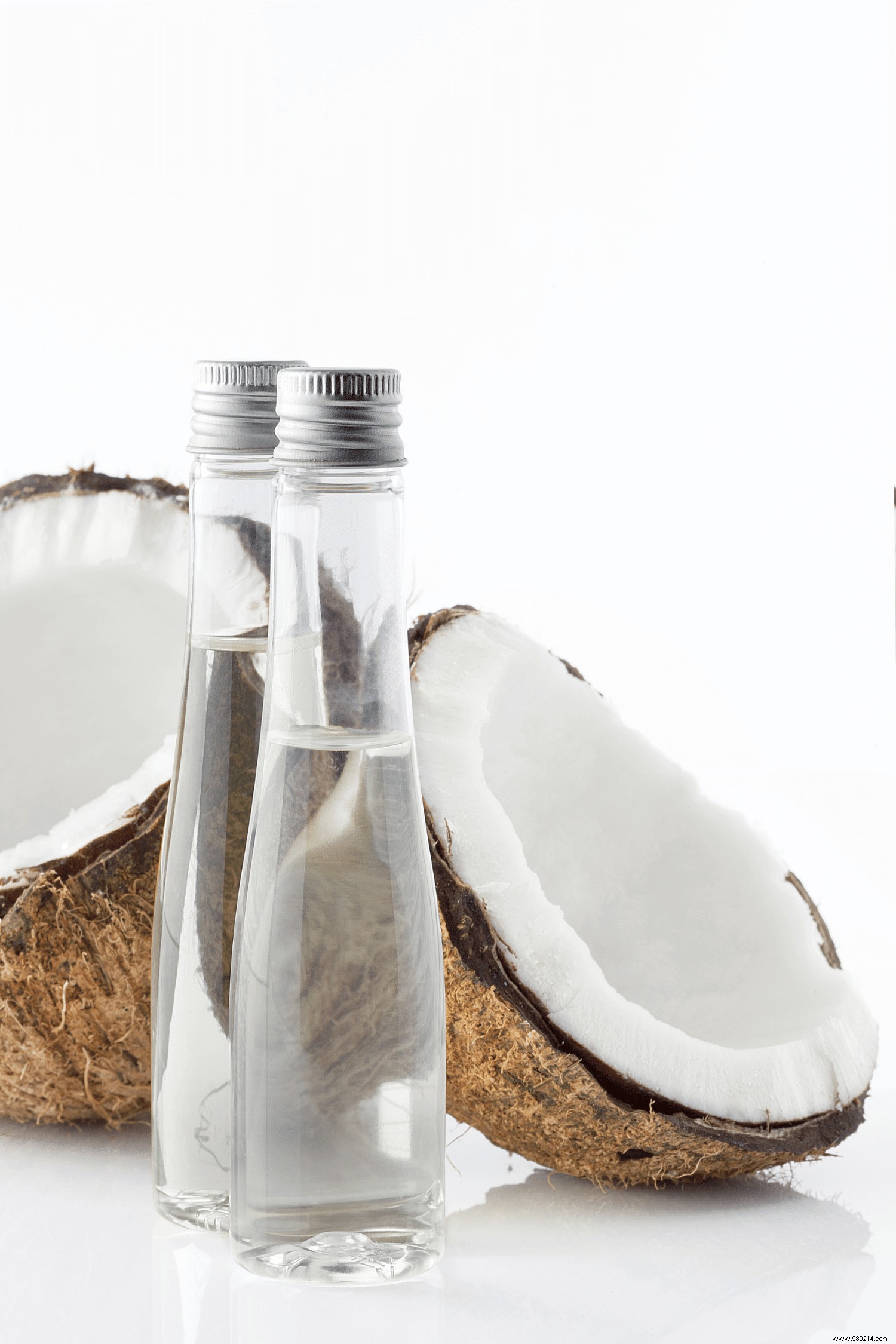
"Comedogenic" combines "comedone" (sebum buildup clogging pores) and "genic" (causing). These oils clog pores, trapping oil and debris.
Comedogenic oils aren't inherently harmful but speed up imperfections like blackheads. Over time, these can evolve into acne pimples or micro-cysts, leaving skin looking dull and harder to treat.
Thick, slow-penetrating oils high in oleic acid naturally clog pores. Oxidation from air or heat exposure worsens this—store sensitive ones like hemp, evening primrose, borage, or hazelnut oil in the fridge or a cool, dark place. Oil quality matters too: opt for first cold-pressed, pure versions. Finally, use just a few drops, massaged in gently, especially on thinner facial skin.
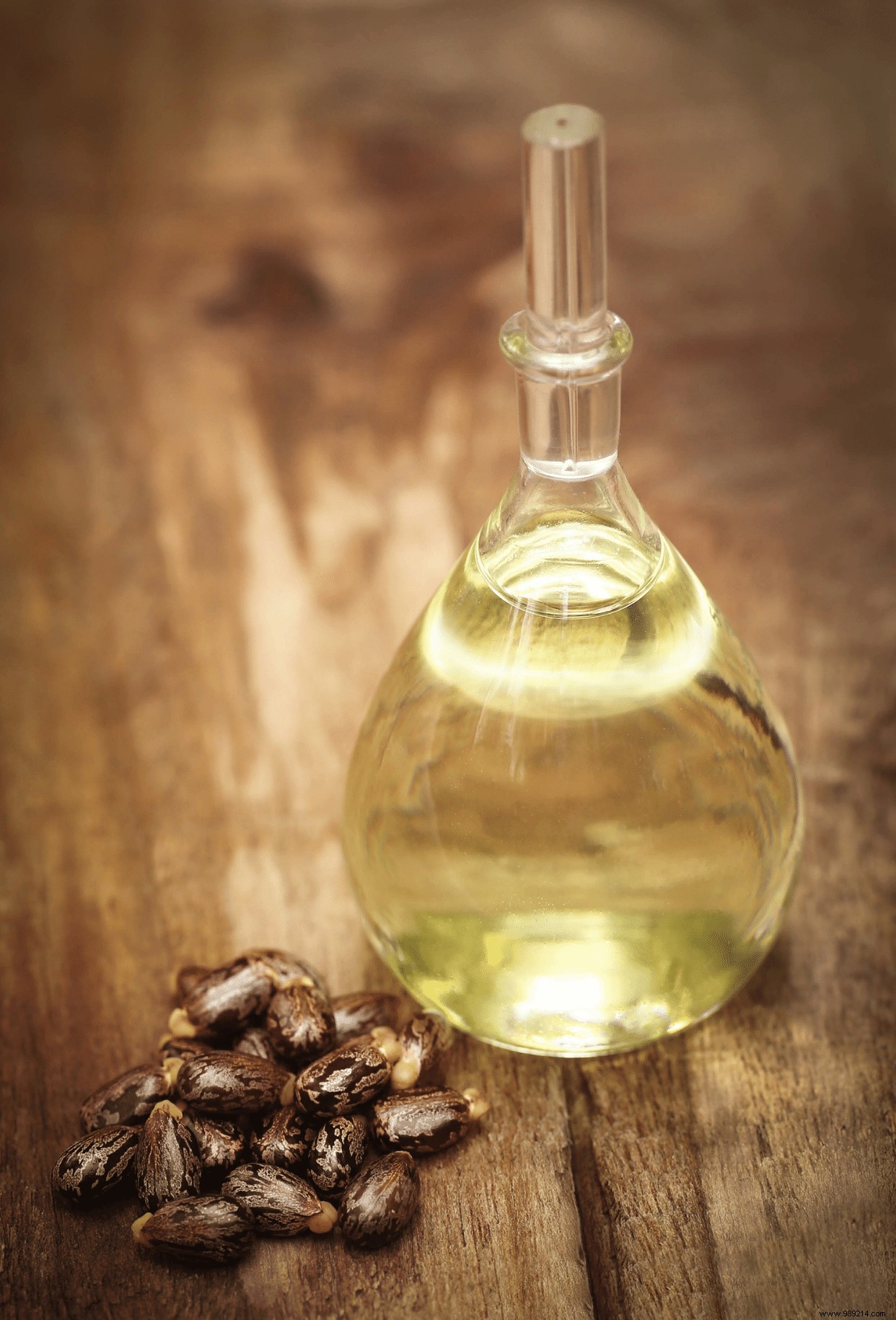
Navigate with the comedogenic index (0-5) and popular oil ratings.
It depends on your skin type and area. Here's our expert advice:
Avoid comedogenic oils—they boost sebum and suffocate skin. Stick to 0-1 index like prickly pear (tones), safflower (soothes), rice bran (dark circles), babassu (anti-aging), or pomegranate (fragile skin). Test blends sparingly and monitor reactions.

Embrace comedogenic oils rich in oleic acid to nourish and restore the hydrolipidic barrier, like carrot (glow), olive (sensitive), or coconut (hair/skin). Low-index options like avocado, macadamia, or sunflower absorb quickly without greasiness.
Body skin is thicker and less sebaceous, so comedogenicity is rarely an issue on arms, legs, etc. Still, patch-test for allergies.
Coconut or cocoa butter can form films; watch synthetic colors, fragrances, or emulsifiers. Favor natural ingredients. Safe bets: beeswax, shea butter, aloe vera gel.
Switched to a bad oil? Clear it up:
Your skin will rebound to clean, radiant health!
Share your questions in the comments :)
