Zero waste is a proven environmental strategy designed to minimize household waste. It encourages mindful purchasing by considering a product's full lifecycle and its ecological footprint. For instance, solid cosmetics generate far less waste than traditional liquid versions, while a durable stainless steel water bottle lasts years, unlike single-use plastic ones that clutter landfills daily. This approach transforms every corner of your home—from bathroom to garden—into a hub of sustainability.
According to a 2017 ADEME (French Ecological Transition Agency) study, households generated nearly 40 million tonnes of waste—about 580 kilos per person. Much of this is recycled, composted, landfilled, or incinerated, but too often it litters streets, seas, forests, and parks, harming wildlife and ecosystems.
As global populations grow, waste volumes soar, overwhelming landfills and polluting air through incineration. Recycling struggles with poor sorting practices. That's why waste reduction offers a proactive solution: rethink consumption from the source, evaluating product impacts before purchase.
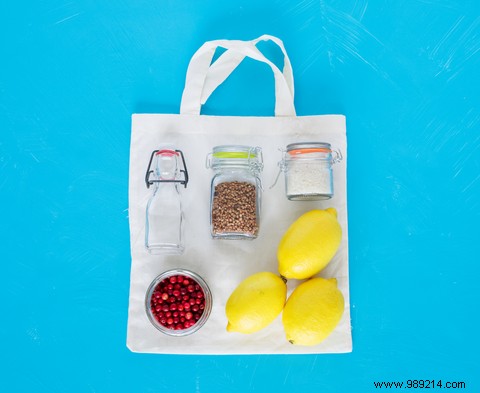
This popular movement has evolved into a comprehensive way of life. Brands now offer stylish, long-lasting alternatives: tote bags or carts replace plastic ones, beeswax wraps supplant cling film, and reusable stainless steel or cardboard straws ditch disposables.
At home, sustainable swaps eliminate single-use items. Prioritize quality over quick fixes—the initial investment in reusables pays off through lifelong use.
Start small if zero waste feels daunting. Begin with an essentials kit, then progress to composting. Here are expert-backed tips:
Streamline your household waste with these steps:
Share your tips below—there's always more to learn!
Avoid overflowing bins by buying and cooking sensible amounts. Weekly shops beat monthly hauls that lead to spoilage. Cook extras for packed lunches—healthy, budget-friendly, and zero waste.
Preserve leftovers with beeswax wraps or fabric covers instead of plastic film. For drinks, invest in a reusable water bottle or thermos. Purify tap water with charcoal sticks in pitchers for on-the-go hydration.
Switch to solid cosmetics for effective, waste-free routines. Opt for washable pads over disposables—they're gentler and stylish bathroom accents. Brands like Lamazuna offer bamboo ear picks, solid shampoos, deodorants, and wipes: eco-smart and cost-effective long-term.
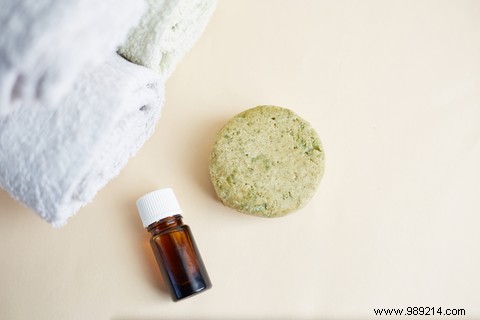
Solid cosmetics are ethical choices, often organic and free from harsh chemicals. They benefit your skin and the planet, with minimal, recyclable packaging from recycled materials.
Buy in bulk online or use reusables in-store. Each action counts: consume thoughtfully, inspire others, and build a zero waste future—one step at a time.
