Chemical dyes often weaken hair, leaving it drier, less shiny, and more brittle while fading color quickly. As seasoned hair care professionals, we've seen how proper maintenance can preserve your color's vibrancy. From specialized shampoos and conditioners to nourishing masks and oils, discover proven strategies to care for colored hair. Explore natural options like argan, coconut, or castor oil for deep hydration, and learn why vegetable coloring offers a gentler, plant-based alternative.
Hair coloring alters the hair fiber's structure. Hair consists of the root embedded in the scalp and the visible hair shaft, made of three layers:
Both chemical and vegetable dyes impact this structure differently based on their composition.

Synthetic dyes permanently alter hair color but are aggressive, penetrating the fibers by opening cuticle scales. This lightens natural pigments using hydrogen peroxide ("bleach"), allowing synthetic colors to take hold. Risks include irritation, scalp burns, allergies, and endocrine disruptors. Even "ammonia-free" options may contain monoethanolamine, a potential irritant.
Plant-based dyes, mixed from powdered herbs and water, coat the hair externally without penetrating the cuticle. This protective sheath adds thickness, volume, shine, and softness. Free from harsh chemicals, ingredients like henna, chamomile, lemon, and indigo respect your health and the environment.
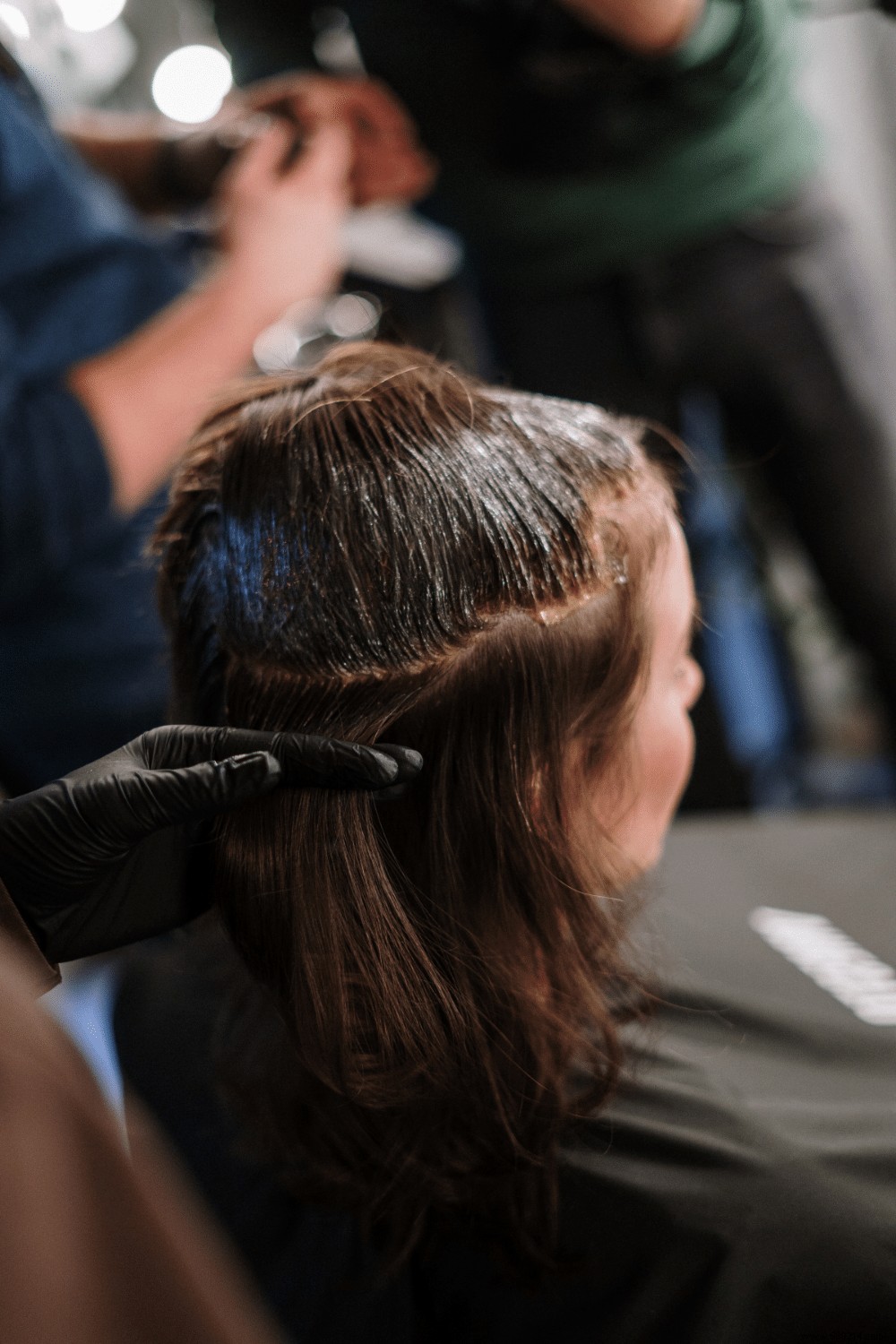
Chemical treatments lift cuticle scales, making hair porous, dry, and prone to fading. Less protected, it appears dull and tired. Deep hydration and nutrition are key to maintaining color and health.
Start by avoiding sulfate-based shampoos like sodium laureth sulfate or ammonium lauryl sulfate, which strip color and dry lengths. Skip parabens, ammonia, formaldehydes, synthetic preservatives, and fragrances. Opt for organic, gentle formulas. Antioxidant shampoos create an acidic environment to seal scales, lock in pigments, and strengthen with lavender, wheat proteins, or aloe vera.
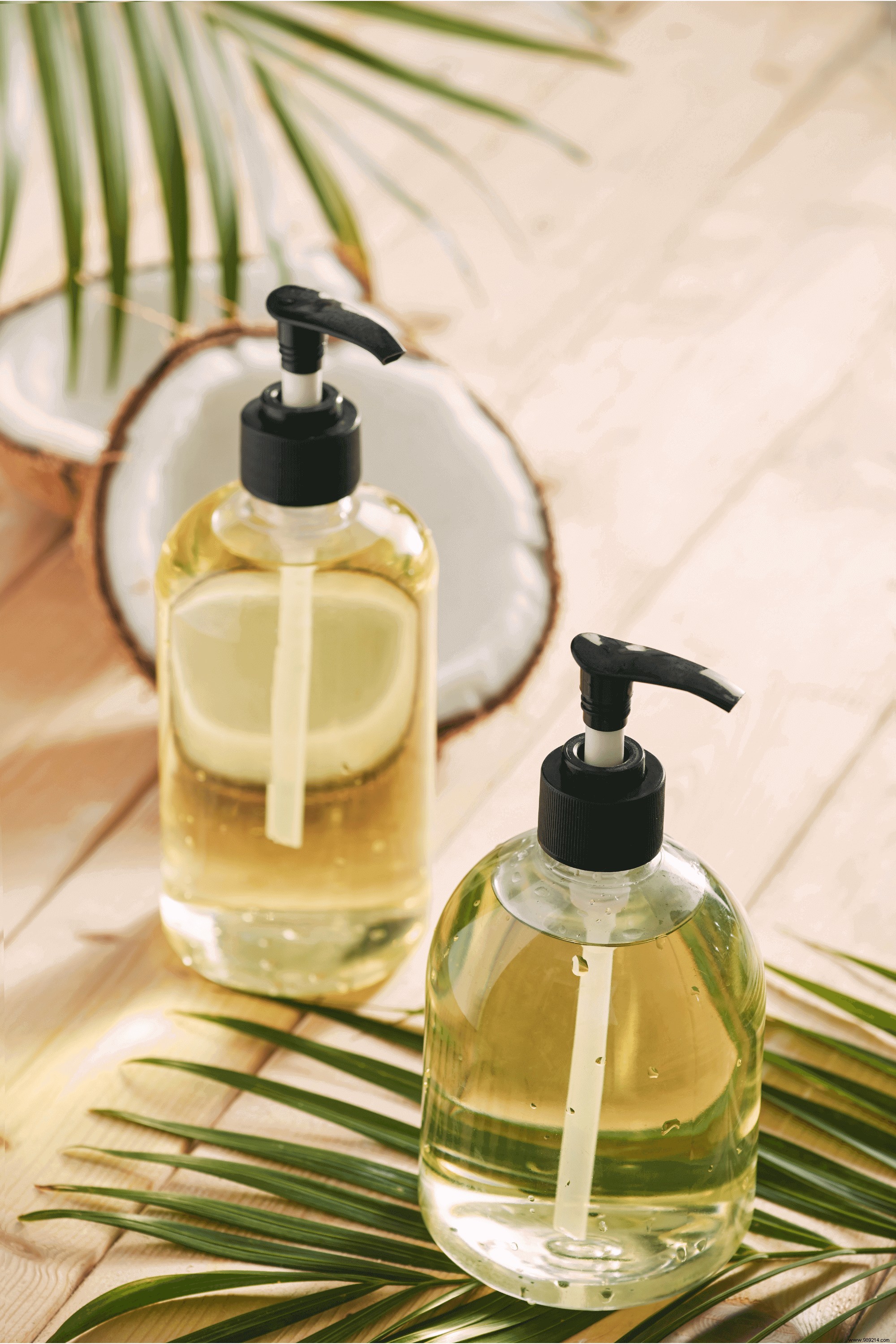
Porous colored hair benefits from antioxidant- and vitamin-enriched shampoos. Vitamin E preserves vibrancy and smooths shafts; red fruits provide minerals; honey and shea butter repair chemical damage. Space washes to prevent over-drying, as colored hair greases slower.
Conditioners prevent scalp dryness and nourish lengths. Choose natural, targeted formulas for repair, hydration, and shine.
Masks combat split ends from repeated coloring. Aloe vera or wheat protein options hydrate deeply; banana, egg, or soy masks revitalize.
Oil baths restore dry hair: argan for shine, castor for strength, avocado for moisture. Apply to damp hair, cover with a warm towel for penetration, leave on 20 minutes to hours, then rinse. Use sparingly pre-coloring to avoid dulling.
Hair's layered structure demands gentle care after coloring. Sulfate-free shampoos, natural conditioners, vitamin E, antioxidants, and oils from trusted sources keep it healthy. Regular masks ensure soft, radiant results.
