Shea butter, derived from the nuts of the shea tree (a member of the Sapotaceae family), has been revered in Africa—its native continent—as "women's gold" or "the butter tree." These trees can live up to 300 years and begin producing edible fruits after 20 years, though optimal yields come after 50-100 years. Reaching heights of 15 meters, the tree's green, clustered fruits contain almonds rich in this versatile butter renowned for its numerous benefits.
Discover how shea butter is extracted, its key properties, and proven applications for hair, skin, and face. Backed by centuries of traditional use and modern skincare science, we outline its top uses below.
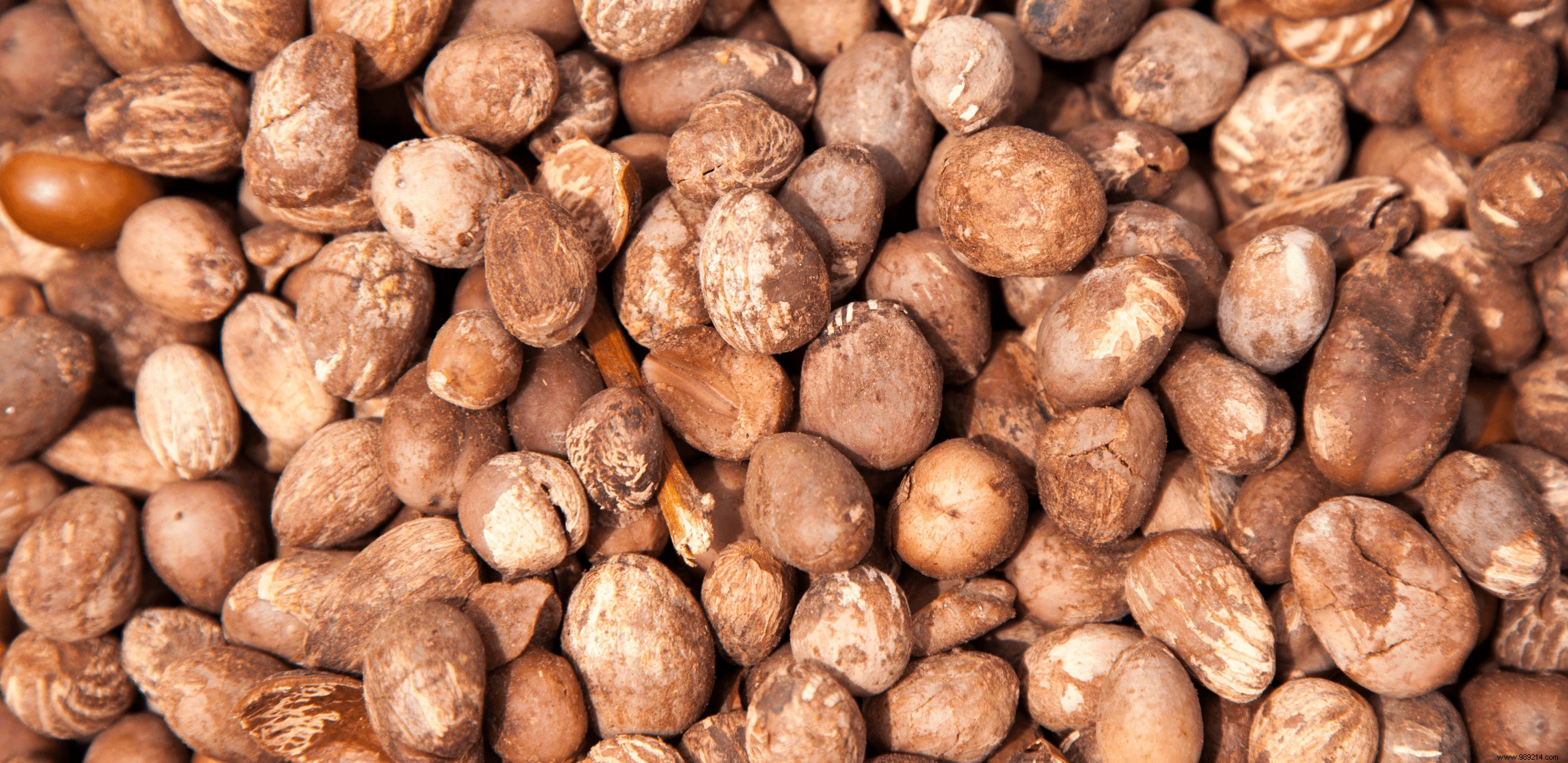
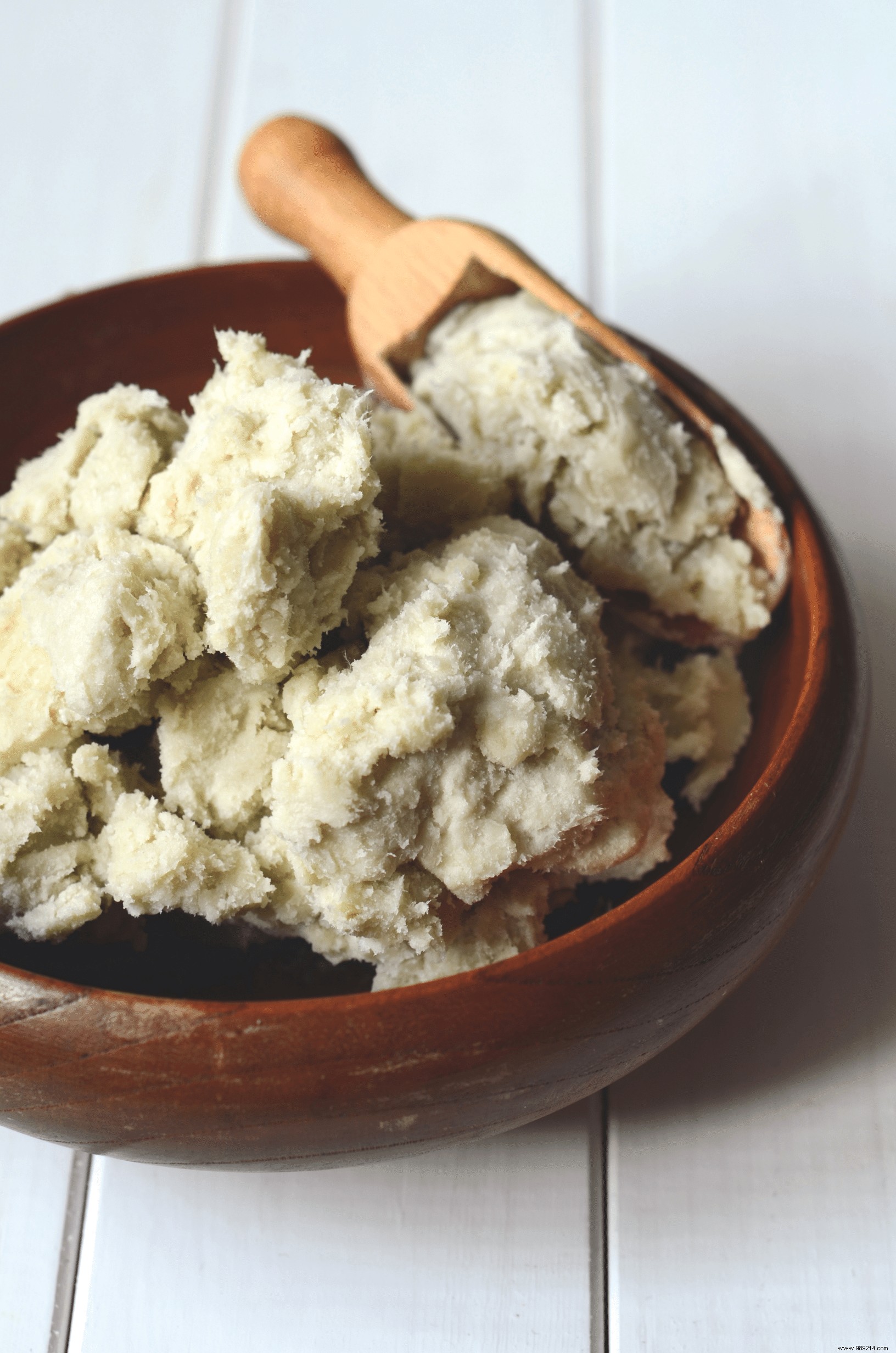
Shea butter is a natural vegetable fat harvested from the tree's nut clusters. Mature bunches are hand-picked—often by women, per African legend, to preserve the tree's fertility. The nuts are separated, boiled, and sun-dried for days.
Next, the shells are cracked to reveal the almonds, which are washed, sorted, roasted, and ground into a paste. This paste is kneaded in boiling water, allowing the butter to rise while impurities sink. After cooling, the yellowish-beige butter is collected. Producing just 1 kg requires 20 kg of almonds, highlighting the labor-intensive process.
Pure shea butter is a skincare powerhouse, packed with essential vitamins:
Its unsaponifiable fraction includes healing resinous esters, cell-regenerating phytosterols (ideal for wrinkles and healing), and natural latex for anti-aging effects.
Shea butter's versatility suits the whole family, from head to toe. On the face, it combats aging in creams, aids healing, and nourishes skin. For the body, it soothes irritations, supports sensitive skin, and prevents/reduces stretch marks. On hair, it nourishes, restores, and adds shine to dry, textured, or dull strands. For babies, use pure or whipped for irritated areas.
Opt for organic, unrefined (raw) shea butter to avoid mineral oil adulterants from non-traditional sources, which can block benefits due to their occlusive nature. Pure shea enables DIY recipes for maximum efficacy.
Shea butter nourishes, moisturizes, protects from heat tools, and fights dandruff. Here's how:
Damaged hair from heat styling or harsh treatments benefits from this duo: coconut oil hydrates and shines, while shea sheathes and protects. Melt equal parts, apply from roots to ends, and leave on for hours (use a warm towel to open cuticles). Rinse thoroughly.

Apply a small amount to lengths before blow-drying or straightening.
Massage into scalp for 20 minutes pre- or post-shampoo to balance, renew cells, and eliminate flakes.
Rich in vitamins and fatty acids, it delays aging, nourishes, protects, and heals. Use pure or whipped.
Vitamins A, E, F, and latex soften skin, shield from free radicals, and boost collagen/elastin for elasticity.
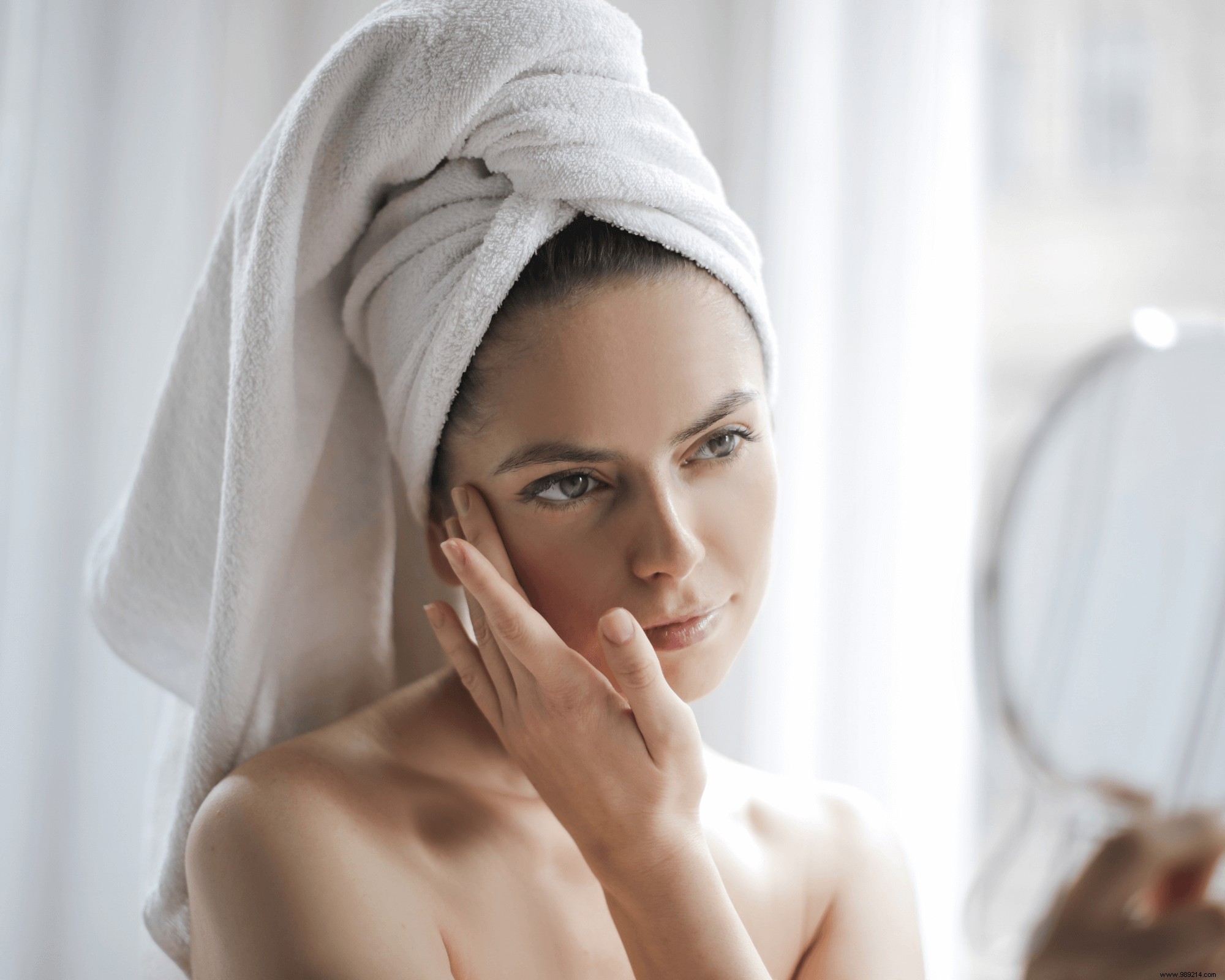
As a face mask, mix with sweet almond oil (softening) or aloe vera (soothing). In winter, apply to all skin types for barrier protection.
Use as a balm anytime; pair with a gentle scrub at night for soft, hydrated lips by morning.
From stretch marks to sunburns, it's a multi-tasker.
Daily application combats dryness, eczema, psoriasis, and stretch marks (great for pregnancy). Firms bust by stimulating collagen.
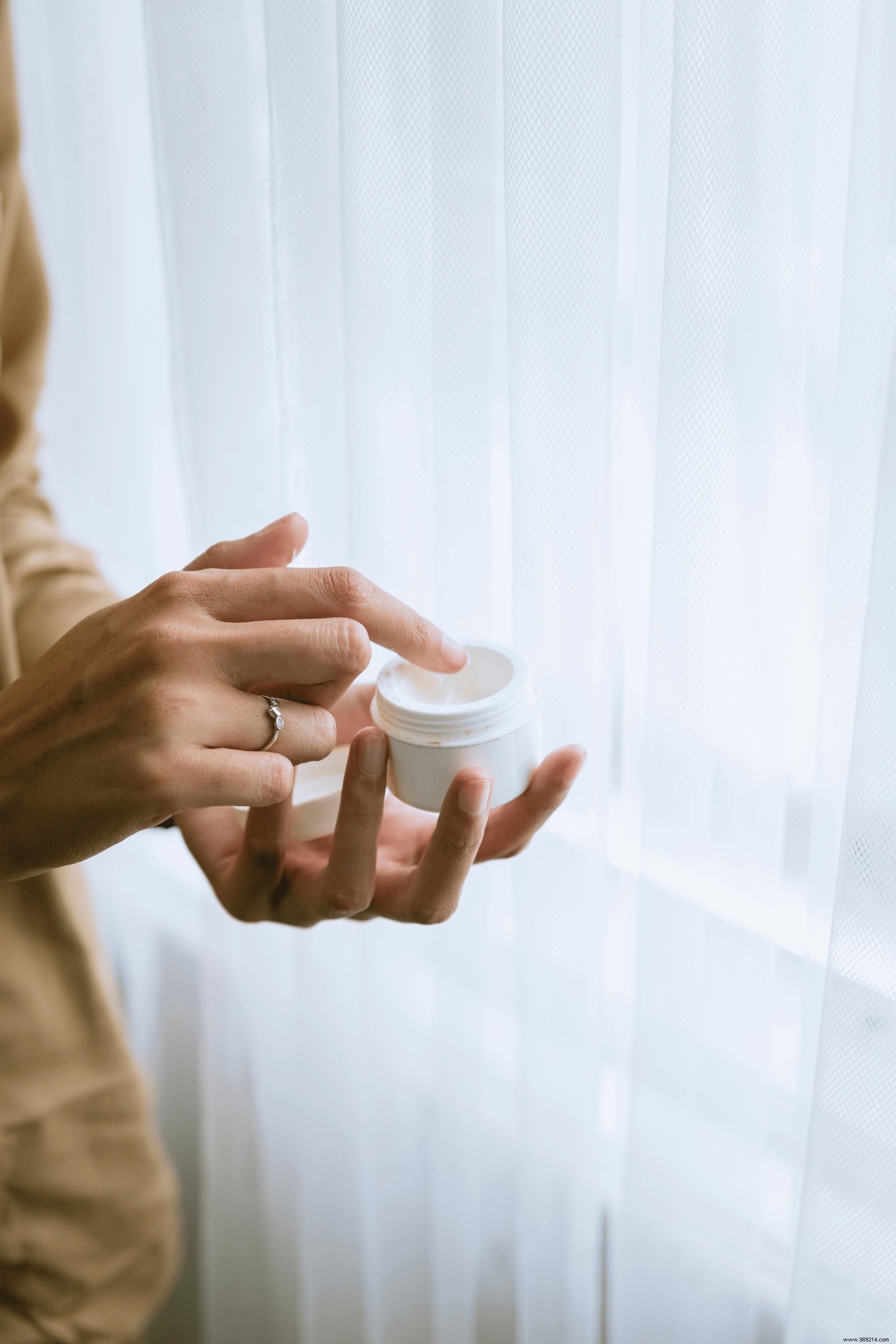
Apply overnight with gloves/socks for soft, repaired skin.
Calms redness and irritation after epilation, waxing, or shaving; reapply liberally for burns.
Soothes diaper rash or protects from dryness; add to baths or apply directly.
Unlock shea butter's full potential for hydrated skin and vibrant hair. Share your favorite uses in the comments!
