 Three primary hair extension methods exist: clip-ins, bonded (welded), and tape-ins (glue-on strips). Installation time, cost, and longevity vary by technique. Key requirement: natural hair at least 10 cm long. Before choosing, ask: What length do you want? Lasting transformation or one-day style?
Clip-in extensions
Perfect for daily hairstyle switches without salon time or high expense, clip-ins let you apply them yourself using clips or barrettes. Budget-friendly and gentle on hair, they're as easy to attach as remove, enabling risk-free experimentation with looks.
Bonded (welded) extensions
Ideal for permanent changes or growing out hair, these attach strand-by-strand via keratin or polymer bonds. Installation is lengthy; reposition every four months depending on quality, maintenance, and growth. Pricey yet delivers impressive, durable results.
Options include hot and cold application. Pros use ultrasound, compressed air, or laser for high-quality volume boosts. Cold methods slide metal or plastic micro-cylinders over strands, compressing with pliers.
Another cold technique: weaving, braiding or sewing extensions into natural hair—a reliable but time-intensive classic.
Tape-in (glue-on) extensions 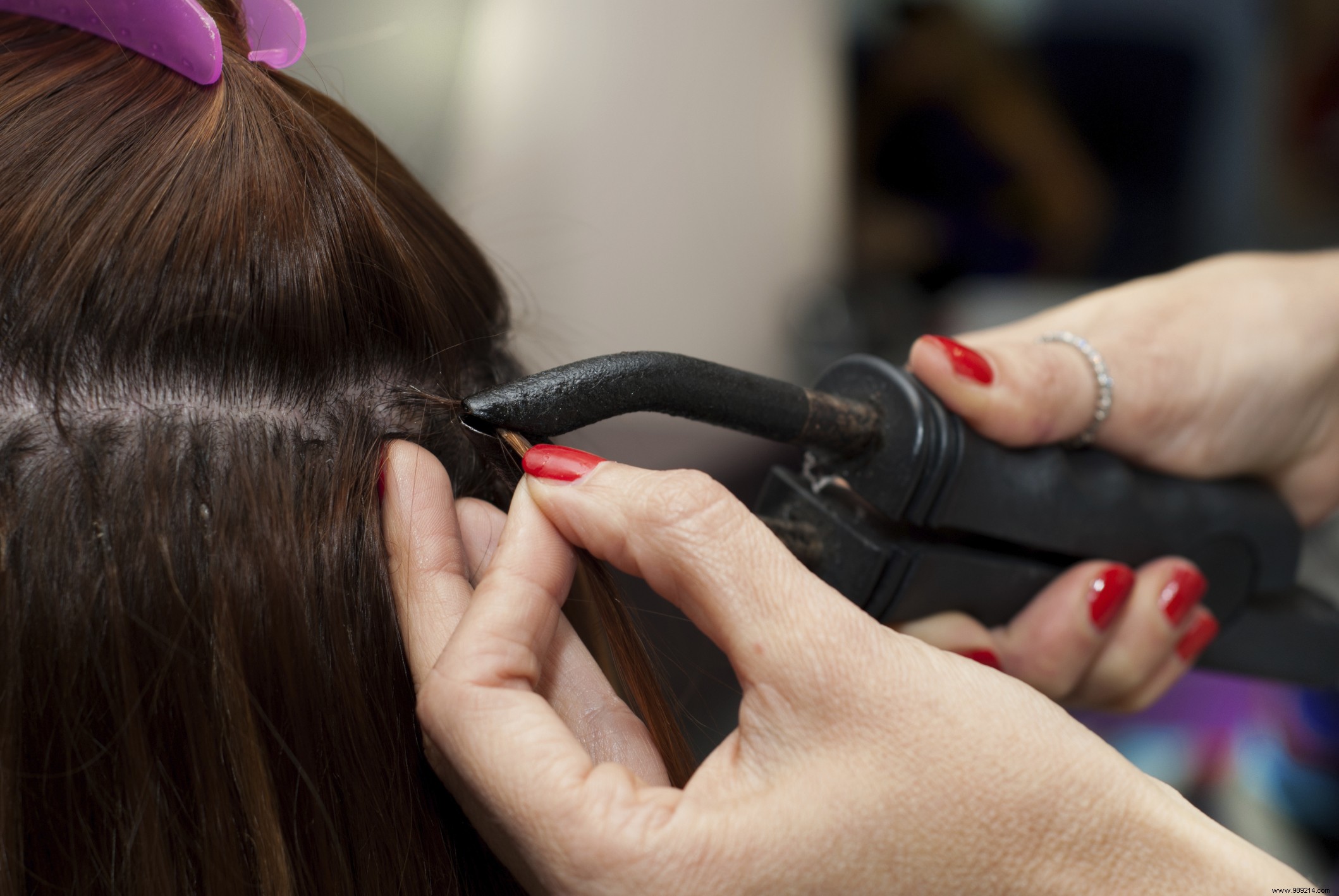
These wefts adhere via strips, faster than bonded since multiple strands apply simultaneously.
Pro: adds volume quickly. Con: shorter lifespan; requires sufficient natural hair for coverage—loose sections show easily.
Silicone glue secures them swiftly, but solvent is needed for removal.