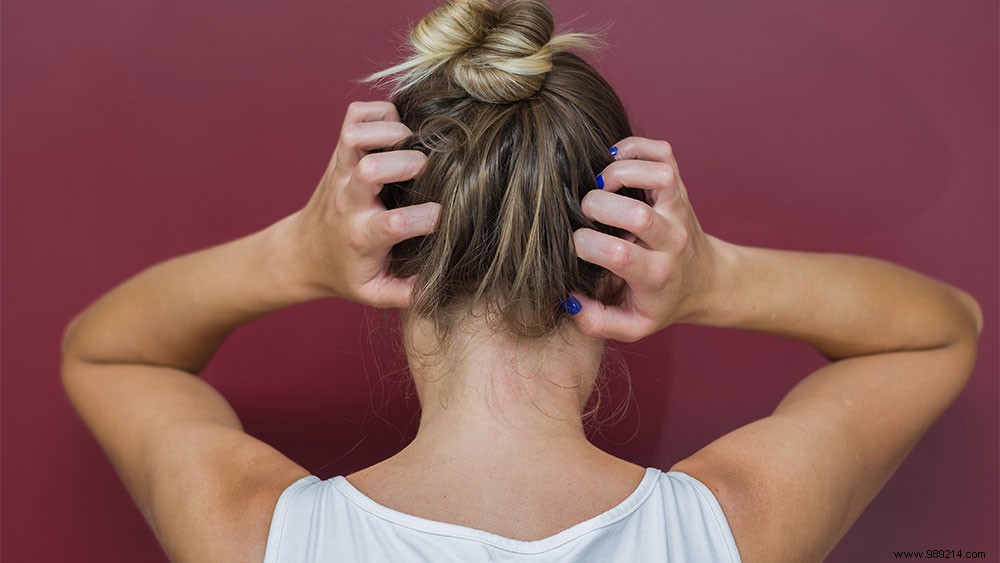
Experiencing itching, flaking, and redness? A sensitive scalp can be uncomfortable and frustrating. These dermatologist-recommended tips can help restore balance and comfort to your scalp.
Read also: 'Tips against a shiny forehead'
If you have sensitive skin, scrutinize your hair care lineup. Aggressive shampoos or styling products might be stripping the scalp's natural protective barrier—a greasy layer that shields hair follicles. An effective shampoo cleanses sebum and dirt while preserving or reinforcing this barrier.
Review ingredient labels carefully. Lauryl sulfates, common for their strong cleansing and foaming, can irritate sensitive scalps. Sulfosuccinates are another potential culprit. Opt for gentle shampoos formulated for dry hair, which use milder cleansers. Hair dyes with PPD (paraphenylenediamine) can also trigger reactions—consider gentler options.
Even with a mild shampoo, irritation may persist if your routine is too intense. Over-washing, excessive brushing, scalding showers, or hot blow-drying can all exacerbate scalp sensitivity.
Wash only when your hair feels greasy—typically every 2-3 days. Avoid brushing directly against the scalp. Use cool or cold settings on your blow dryer to prevent itching. Rotate styling products periodically, as sensitivities can develop. Let your hair down occasionally instead of tight ponytails for better airflow. Skip leave-in conditioners, which leave residues on the scalp.
Irritated scalps disrupt natural flora, accelerate cell turnover (causing flakes), and create itching or tightness. Boost recovery by improving circulation through massage—your body's natural repair process will thank you.
Using fingertips, make gentle circular motions to shift the skin without sliding over it. Perform five rotations per spot, then move to: hairline at forehead, temples, behind ears, crown, and nape of neck.
If adjustments don't help, seek professional advice. What seems like dandruff could be eczema, psoriasis, a fungal infection, autoimmune issue, stress-related, or a dye allergy. A dermatologist can diagnose accurately—start with your GP for a referral. Note: Dermatology visits may involve your deductible.
