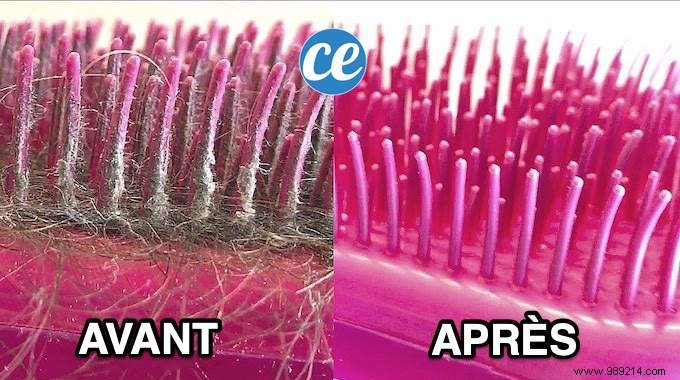
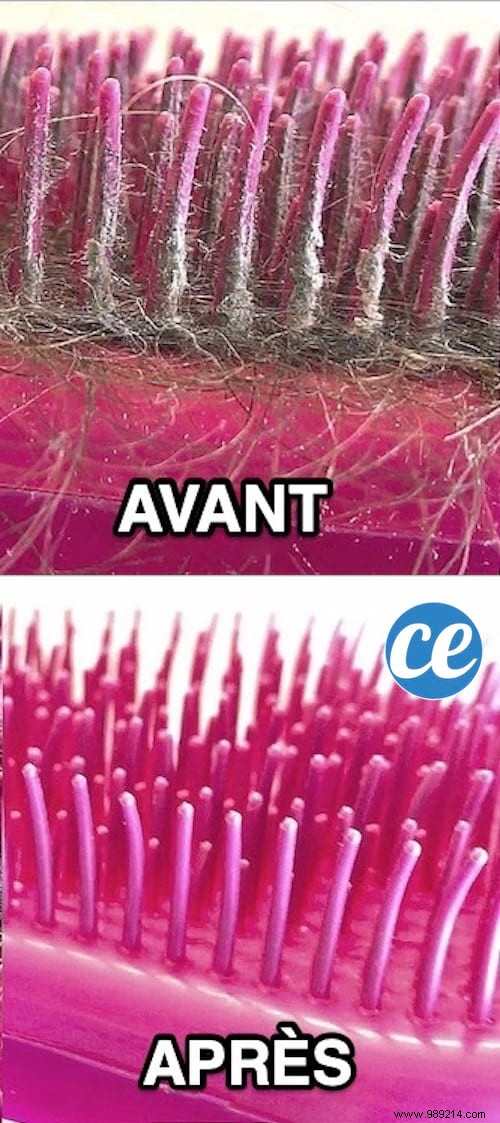
Is your hairbrush greasy and buildup-prone? It's common. Sebum, dust, dead skin cells, fallen hair, and product residues accumulate daily, making it unhygienic and harmful to your hair health.
As a seasoned hairdresser, I've seen how dirty brushes transfer oils back to your strands. Fortunately, here are three simple, natural methods to deep clean your brush effectively.
The key is using shampoo, white vinegar, or baking soda—proven staples in professional salons for thorough, effortless results. Watch how:
Start by carefully removing loose hair with a comb.
Fill a small basin with hot water and add shampoo. Soak the brush for 1 hour, then rinse thoroughly with clean water and air-dry on a towel.
You can clean multiple brushes together. Substitute with liquid soap if needed. This quick method works well for weekly maintenance.
Remove hair with a comb, then fill a glass with undiluted white vinegar and immerse the brush head.
Soak for 1 hour, rinse, and dry on a towel. Vinegar's acidic pH cleans deeply while disinfecting—ideal for lice prevention or general hygiene.
Add a drop of your favorite essential oil to neutralize odors. Perfect for weekly use.
Sebum builds up on bristles over time, redepositing onto your hair with each brush stroke—not ideal for clean, healthy locks.
Baking soda cuts through stubborn grease without harsh chemicals. Remove hair first, then mix 4 tablespoons into a basin of lukewarm water.
Soak overnight, rinse well, and dry. Do this monthly for pristine tools.
- For plastic-handled brushes, soak only the head to avoid damage during overnight treatments.
- These methods work equally well for combs, whether wooden, plastic, bamboo, or bristle types.
- Baking soda and vinegar are safe, natural choices—great for baby brushes too.
