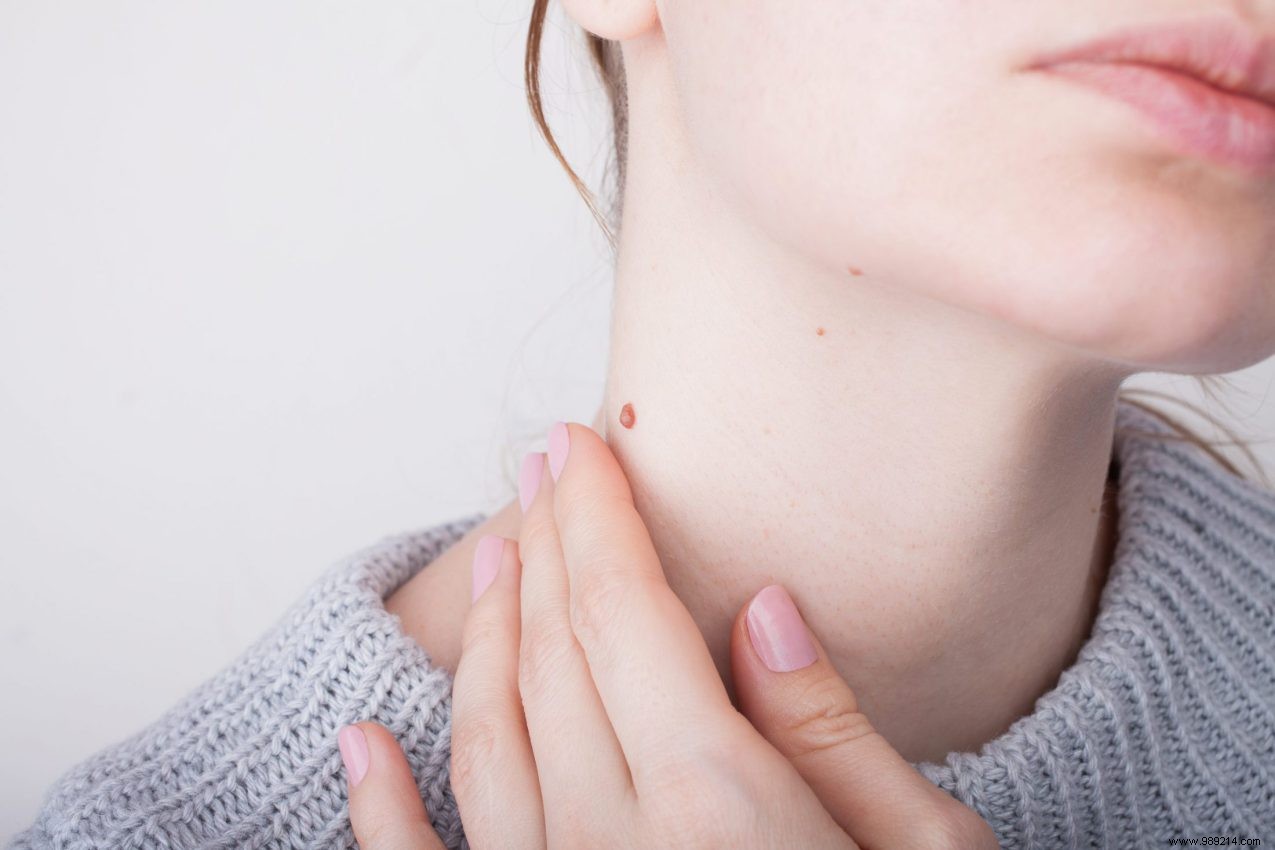
Do you have one on your face, arm, or leg? Moles are common, but do you truly know what they are?
Always consult a doctor if a mole changes significantly in size, shape, or color. Here, we're skipping the 'spot the suspicious mole' guide and diving into the basics: what a mole really is.
Also read: 'Protect your scalp and hair from the sun'
A mole is simply a concentration of pigment-producing cells called melanocytes. These cells multiply more in one spot than surrounding areas, creating a visible mark on the skin.
Not directly. Newborns rarely show moles; they typically appear in early childhood or later. A mole in the same spot as your mother's is likely coincidence. However, if your parents have many moles, you're genetically predisposed to develop more. The Latin name nevus maternus translates to 'mother's spot,' stemming from the old belief that mothers passed them to newborns at birth.
The average person has about 25 moles across the body. Those with darker skin tones usually have fewer than people with lighter skin.
