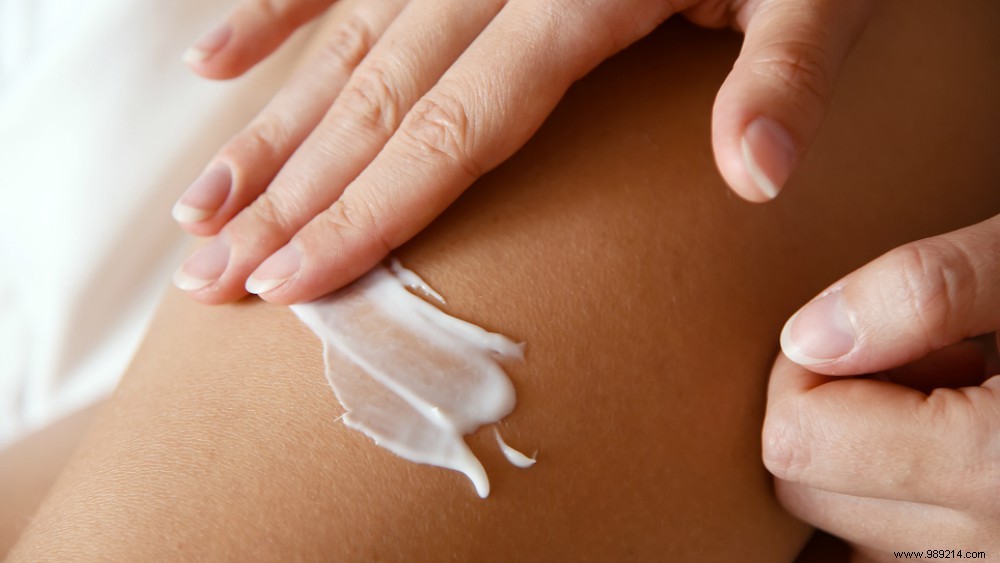
Dealing with persistent dry skin and flakes can be frustrating. Discover how it develops and practical steps to restore smooth, healthy skin.
Flaky skin appears as rough patches with white flakes shedding from larger areas, often on the lower legs. You'll notice tight, taut skin that may crack or develop fine, painful lines.
Read also: 'What can you do against flakes in your eyebrows?'
Skin flakes result from a compromised hydrolipidic film, or skin barrier. When sebaceous glands produce insufficient oils, they fail to form a protective layer, leading to moisture loss. The skin's natural hydration can't keep up.
Lotions may provide short-term hydration, but flakes often return within an hour. Dry skin requires both moisture and replenished lipids (natural skin oils) to regain softness and smoothness.
Extreme dryness with heavy flaking is known as xerosis or xerodermia. Common triggers include genetics, excessive sun exposure, harsh weather like cold and wind, aggressive cosmetics, or strong cleansers. Consult a doctor if it's severe.
Your diet matters: deficiencies in vitamins A, B, and E can contribute to flaking. Omega-3 supplements from fish oils often reduce scaling within six months. Pair this with daily application of rich creams to strengthen the skin barrier.
Psoriasis involves rapid turnover of top skin cells, causing intense scaling. Though it mimics a skin issue, it's an immune system disorder influenced by genetics, with unknown exact causes. Normal skin renews every 28 days; psoriasis accelerates this to 6-7 days. It's not contagious. Treatments range from gluten-free diets and Dead Sea spa visits to creams and UV light therapy.
Now from €1.99
To the digital kiosk
