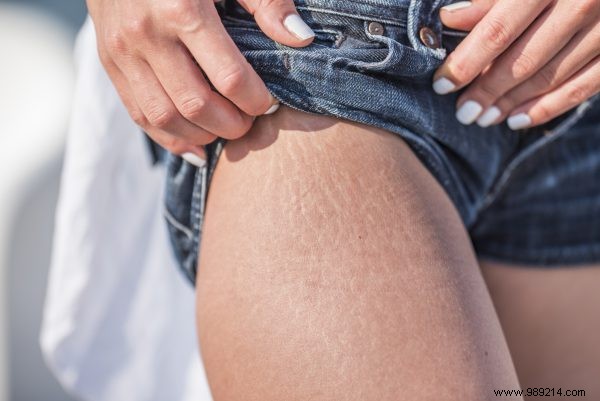
Stretch marks can appear suddenly on your hips, stomach, or breasts. But can you prevent or treat them? As a board-certified dermatologist with years of experience, I've helped countless patients understand and manage this common skin concern.
Stretch marks affect nearly three-quarters of women at some point. Marjolein Leenarts, dermatologist and founder of the skincare brand Drs. Leenarts, explains: "Stretch marks don't cause pain—it's purely a cosmetic issue. Many women dislike them, especially when they're prominent."
Stretch marks are scars beneath the skin from tears in collagen and elastin fibers. "They typically form from rapid skin stretching, like during pregnancy or puberty growth spurts," says Leenarts. Hormones can weaken collagen, making skin more prone to damage. They appear as striped lines—initially pink, red, or purple—fading lighter over months. Common sites include the BBBB zone: abdomen, buttocks, breasts, and back (though legs are also frequent). Not everyone gets them; genetics, smoking, skin tone, and age play roles. Younger women under 30 face higher risk during pregnancy due to tighter connective tissue that tears more easily. Men aren't immune—puberty spurts or rapid weight gain can trigger them too.
Read also: "Why do you look slimmer when you're tan?"
Pregnancy, quick weight gain, or muscle growth increases risk. While hyaluronic acid shows promise in studies, Leenarts notes no ingredient is proven to prevent them. "You can't fully prevent stretch marks. Moisturizers keep skin supple but don't penetrate deeply enough. Anti-stretch mark products fall short." No special care needed—treat affected skin like the rest with a hydrating lotion.
