As women reach menopause—one year after their last period—life often feels more balanced: careers solidified, kids grown, and time for self-care. Yet, many in their 40s and 50s face surprising skin shifts like acne and age spots due to hormonal changes. While inevitable to some degree, targeted home care can significantly ease these effects.
Expert tips for skin care during menopause:
Calm dry skin: Falling estrogen leads to drier, itchier skin, especially in low-humidity air. Choose a mild cleanser over regular soap to avoid stripping moisture. After bathing or as needed, apply a moisturizer with hyaluronic acid or glycerin—including jawline and neck.
Relieve itching: Soothe with a cool, wet compress: soak a clean cloth in cool water, wring until damp, apply to affected areas, then moisturize. Try colloidal oatmeal baths from drugstores or beauty stores. Use warm (not hot) water and pat dry gently to prevent irritation.
Treat and prevent acne: Hormonal swings can spark adult acne. Cleanse with benzoyl peroxide, but switch to mild if it dries skin. Adapalene products help prevent breakouts. Always handle gently—no harsh scrubbing, picking, or squeezing to avoid scars. Skip overly drying treatments. For stubborn cases, consult a dermatologist for prescription solutions.
Treat and prevent age spots: Years of unprotected sun exposure show up as spots or darkened patches on face, hands, neck, arms, or chest, plus higher skin cancer risk. Daily broad-spectrum SPF 30+ sunscreen on exposed skin helps fade spots, block new ones, and lower cancer odds. Combine with shade, long sleeves, pants, wide-brimmed hats, and sunglasses.
Fading creams with hydroquinone, glycolic acid, or kojic acid—available over-the-counter—can lighten spots after two months of daily use, depending on severity. Dermatologists offer stronger prescriptions or laser treatments for better results.
Regular skin checks are vital during this phase, as skin cancer can mimic age spots and risk rises with age. Early detection improves outcomes. See a dermatologist for new, changing, itchy, or bleeding spots.
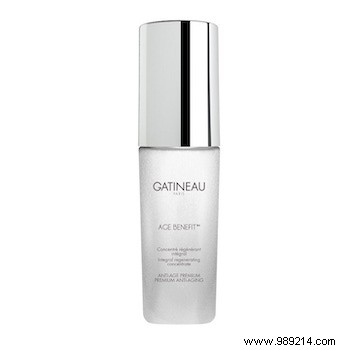
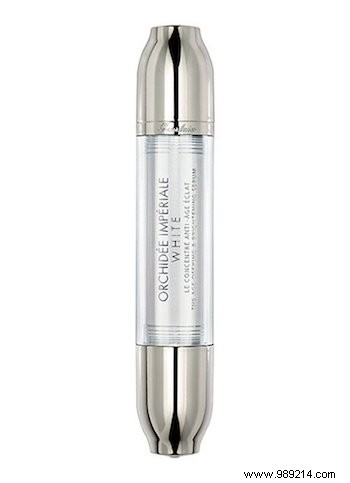
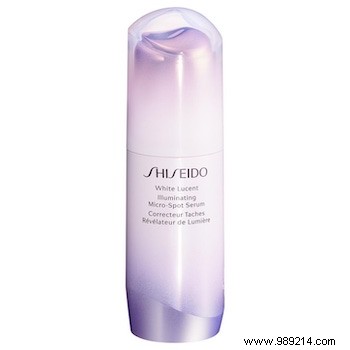
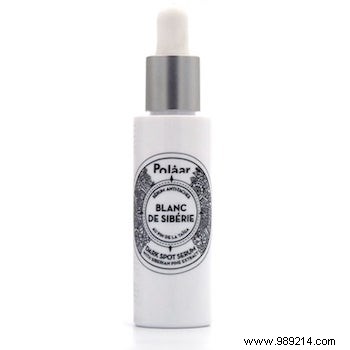
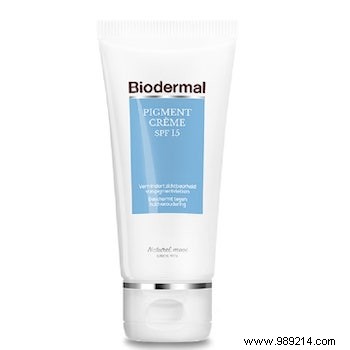
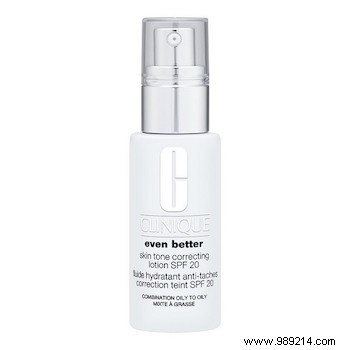
Below is a selection of our favorite products against age spots.