Pregnancy, puberty, and weight gain are life stages that often trigger stretch marks. Affecting over 50% of pregnant women, these marks are harmless but can be visually distressing. Can you prevent stretch marks during pregnancy? What treatments truly work? As experts in maternal skincare, we break it down here.

During pregnancy, a woman's body undergoes profound changes driven by hormonal variations. Most stretch marks appear between the 6th and 8th months, but the process starts early. Hormonal shifts disrupt cellular function, transforming fibroblasts into myofibroblasts in the first trimester. This inhibits collagen and elastin production, weakening skin structure.
As the belly expands, the skin—now less flexible—tears under tension in the third trimester.
Simple oils or moisturizers aren't enough; you must target skin structure. Opt for natural, pregnancy-safe treatments like certified organic anti-stretch mark creams.
In summary, stretch marks result from:

Pregnancy stretch marks typically appear on the belly, lower back, hips, breasts, buttocks, and thighs. Fresh ones are red or purple due to inflammation (immature stage). They fade to white (mature stage), where no treatment can reduce them. Focus on prevention or early intervention when red.
French brand Téane Laboratories specializes in natural, certified organic care for pregnant women and babies, addressing common skin challenges with proven expertise.
Over 10 years ago, founder Agnès Ducrocq discovered Cassia Alata in Madagascar. Years of R&D unlocked its remarkable stretch mark prevention and repair benefits, plus aid for babies' atopic skin. Téane holds 2 patents on these innovative extracts.
The 100% Maman range offers dedicated treatments for preventing and repairing pregnancy stretch marks—safe, effective, and enjoyable.
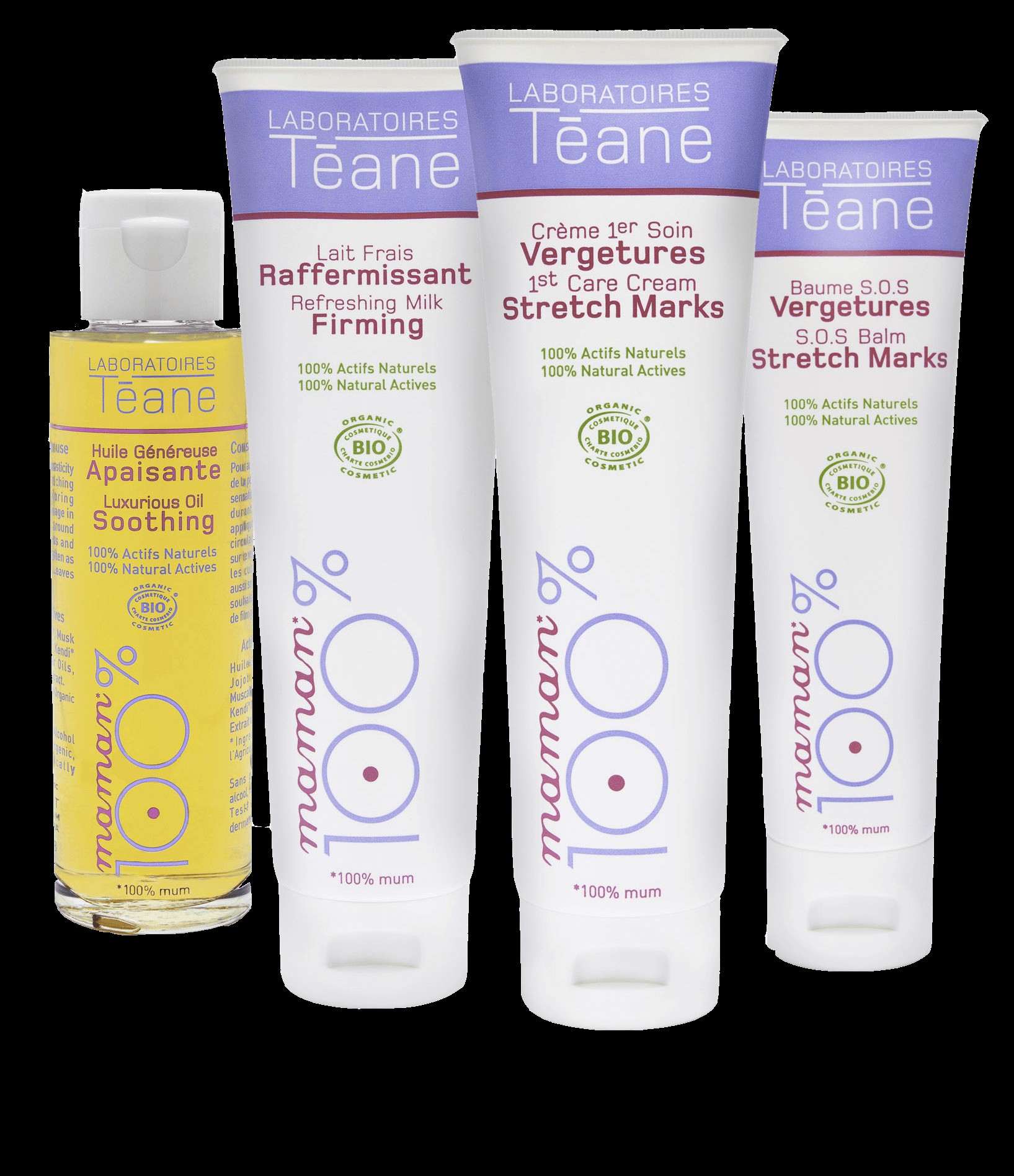
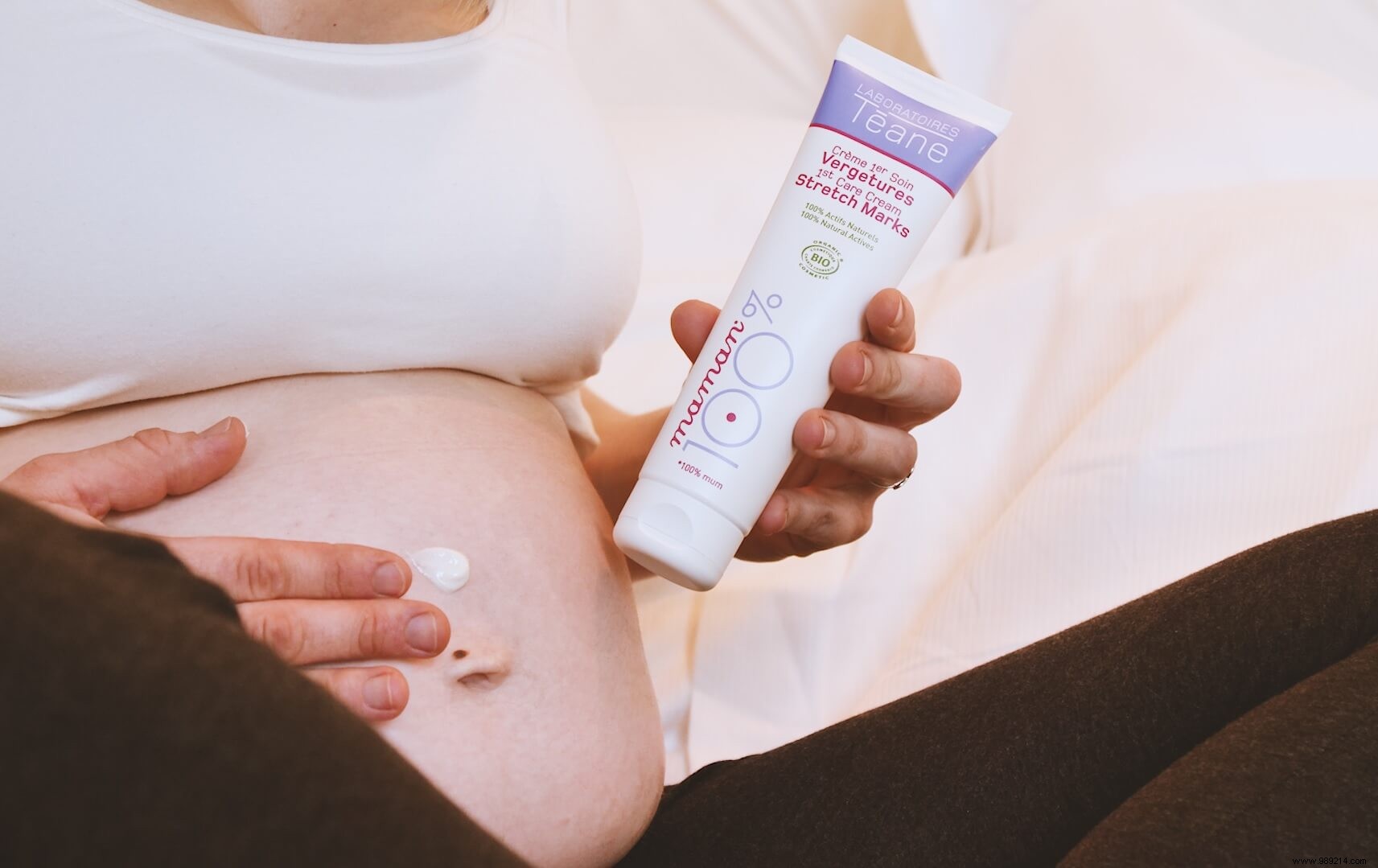
The Stretch Mark Prevention Program features two complementary, certified organic treatments targeting hormonal disruption and skin stretching.
Stretch Marks 1st Care Cream, with patented Cassia Alata extract, protects elastin and boosts collagen to counter hormonal effects.
Generous Soothing Oil, blending 6 vegetable oils, enhances elasticity, deeply nourishes, and eases itching and tightness.
Clinical studies show 88% of users avoided stretch marks—far better than the typical 50%+ rate.
Apply to at-risk areas throughout pregnancy:
For red, inflammatory stretch marks, Baume SOS Vergetures repairs and reduces them. Pair with Fresh Firming Milk on breasts and belly postpartum for toning and enhanced repair via rosehip oil.
All products are pregnancy- and breastfeeding-safe: no alcohol, essential oils, allergens, or controversial ingredients.
Téane's stretch mark care suits pregnant women, teens, and anyone combating stretch marks responsibly—for health and the planet. The brand also offers baby skincare for dry, sensitive, atopic skin.
