Ombré highlights, copper tones, caramel balayage, or chocolate shades—each season delivers fresh hair trends. Imagine achieving a vibrant color without harsh chemicals. Plant-based hair coloring makes it possible. As natural beauty experts at Nuoo, we've helped thousands transition to healthier hair. In this guide, we explain how vegetable dyes work, their benefits, and how to select the right one.
Plant-based hair color relies exclusively on natural pigments from plants, called "tintorial" plants for their dyeing properties.
💡 Unlike traditional dyes, vegetable coloring is 100% chemical-free. Its coloring power is gentler—it enhances your natural hair color without lightening or bleaching. For instance, you can't go from blonde to brunette, but it beautifully amplifies what you have.
💡 Most formulas feature henna, a plant-derived dye used for millennia.
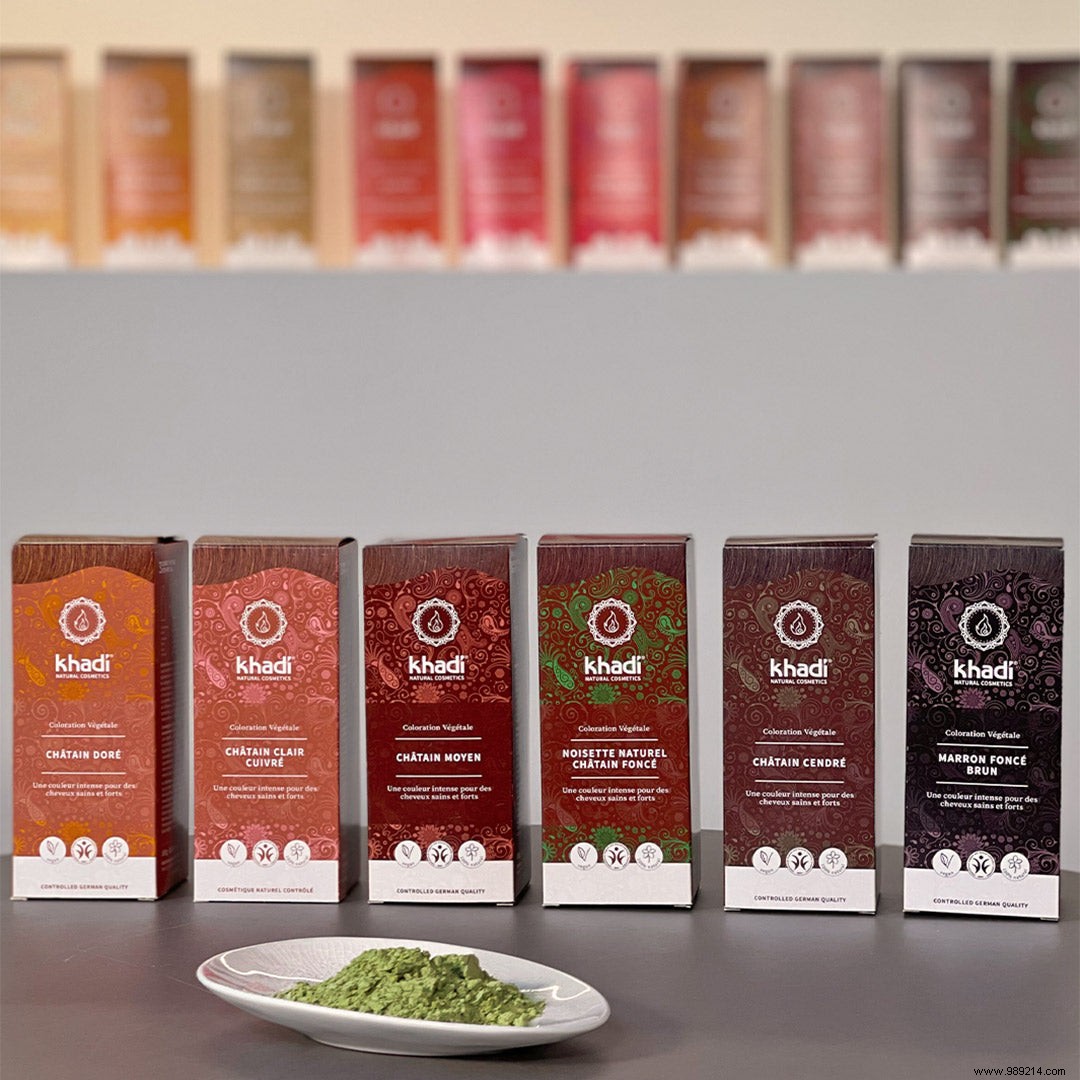
Each plant-based color draws from one or more tintorial plants. Long before synthetic chemicals in the 20th century, humans used these natural dyes for fabrics, body art, makeup, and even food coloring.
Nature offers diverse options, each providing unique shades via their pigments.
🔴 For red tones, choose henna, safflower, or annatto.
💛 For yellow hues, try turmeric, chamomile, or saffron.
🔵 For blue shades, opt for indigo, woad, or Assam indigo.
You might wonder: "Why change if my current dye works?" Here's why.
Conventional colors contain controversial substances like parabens, ammonia, oxidants, heavy metals (lead, mercury), silicones, sulfates, and aromatic amines. These damage hair over time and pose health risks, including carcinogenicity, hormone disruption, and allergies.
⚠️ A study in The International Journal of Cancer links chemical hair dyes to a 9% increased breast cancer risk.
Chemical dyes also harm the planet, polluting water, soil, and air through production, use, and disposal.
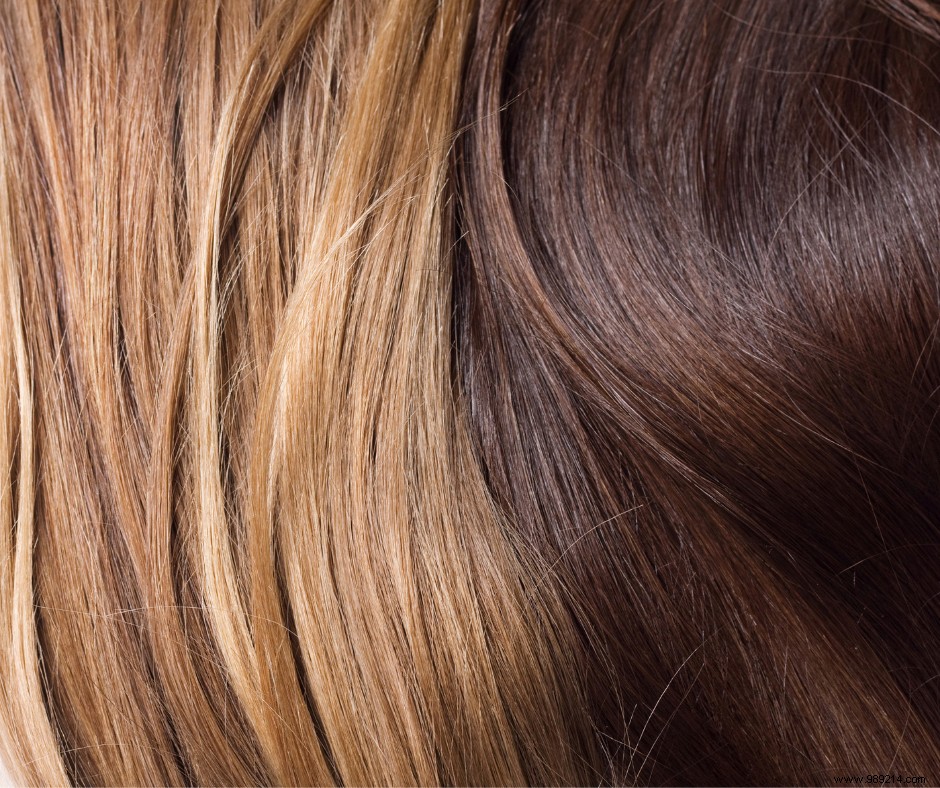
Plant dyes are surging in popularity for good reason. They strengthen hair, add natural shine, and pose zero health risks. Preserve your well-being, fortify strands, and enjoy diverse shades—vegetable coloring excels here.
💡 Key takeaway: Unlike chemicals, plant dyes coat the hair cuticle without penetrating the fiber, promoting healthy, resilient hair.
Plant pigments offer proven benefits, and at Nuoo, we specialize in them. Our Dyeing section features pure herbal and henna dyes.
Common questions: "What's the best plant hair color?" "Which brand?" "Least aggressive option?"
The ideal choice matches your natural base color, as it determines the final result.
For example, a chestnut shade on light hair yields dark blonde to rich chestnut; on dark hair, chocolate tones emerge.
💡 Select a shade suited to your original color for optimal results. The unique, unpredictable beauty? That's the magic of nature!
Plant dyes double as treatments, sheathing hair for shine and strength. Neutral henna, for instance, adds volume without color.
Shiraz Neutral Henna purifies oily scalps.
Radico Henna Powder Treatment imparts copper sheen, strengthens hair, and balances oily scalps.
💡 Plant colors color while rebalancing the scalp.
At Nuoo, we champion natural, clean products. Essential for longevity: chemicals in conventional shampoos (sulfates, parabens, silicones) fade plant pigments. Go fully natural!
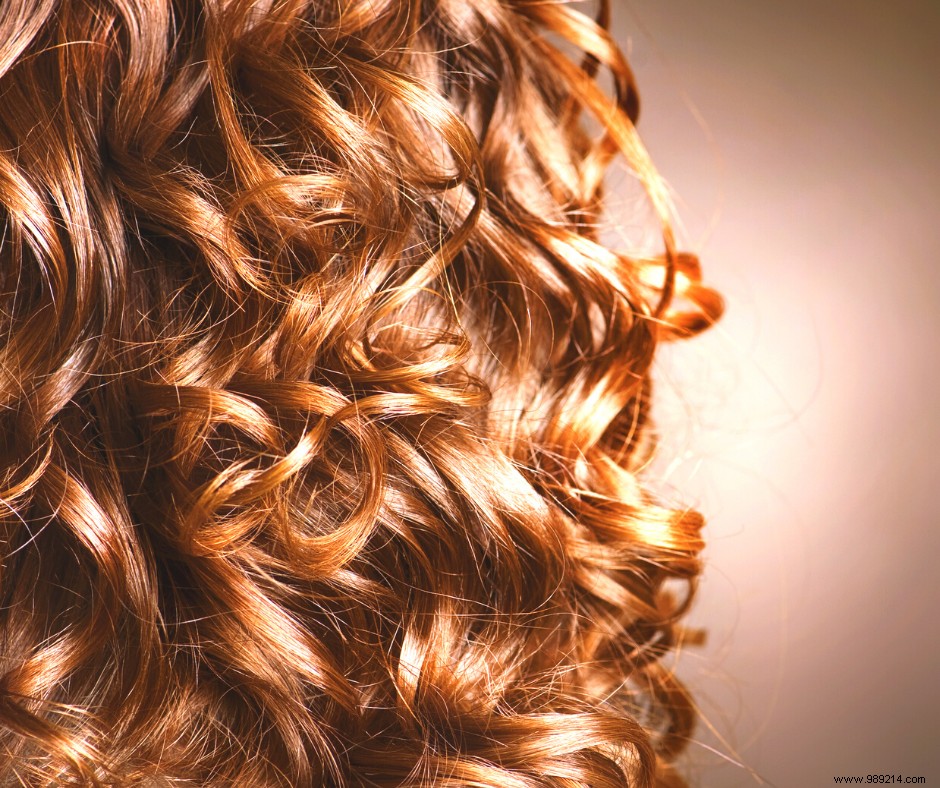
Vegetable dyes strengthen fibers, balance scalps, boost shine, color vibrantly, and cover grays—a superior alternative to traditional dyes.
