Perspiration is a natural process that helps regulate your body's balance. Yet, it often comes with unwanted odors. Since ancient times, Romans and Greeks used fragrant plants and vegetable powders to mask sweat smells. Discover the origins of deodorants, how they function, and why their formulas have evolved—always aiming to neutralize odors while protecting the skin. Are natural deodorants effective? Made with plant-based ingredients, they prioritize health and skin care. Learn how to select an effective natural deodorant that delivers.

Enjoy a 5€ discount on orders over 65€ with promo code CONSEILBEAUTE1!
Deodorants have been a staple in personal care for millennia. Ancient Romans and Greeks, obsessed with hygiene, used aromatic plants and vegetable powders to combat body odor. They even tucked herb sachets under their arms—early versions of solid organic deodorants.
After the Roman Empire's fall, body hygiene faded, and deodorants vanished. In late 19th-century America, the hygienist movement revived them, emphasizing flawless internal and external cleanliness for health.
The first commercial deodorant launched in 1888 by Mum, targeting women. In 1903, Everdry introduced antiperspirants. Early formulas irritated skin and stained clothes. Decades of innovation led to widespread acceptance by the 1960s and 1970s.
Deodorants became social essentials, aiding professional success. Pre-1930s, sweat signaled masculinity for men, but savvy marketing convinced them otherwise.
Sweating naturally regulates body temperature, hydrates the skin via a protective hydrolipidic film, expresses emotions, and eliminates toxins. Sweat itself—water, minerals, lactates—is odorless. Bacteria breaking it down cause smells.
Like conventional ones, organic deodorants target three areas:
They focus on odors, not blocking sweat, allowing natural temperature regulation while curbing bacterial growth.
Top natural deodorants include:
Many add moisturizers (shea butter, aloe vera, oils like sweet almond or coconut) for sensitive skin, plus antioxidants (vitamins A, C, E) to combat aging.
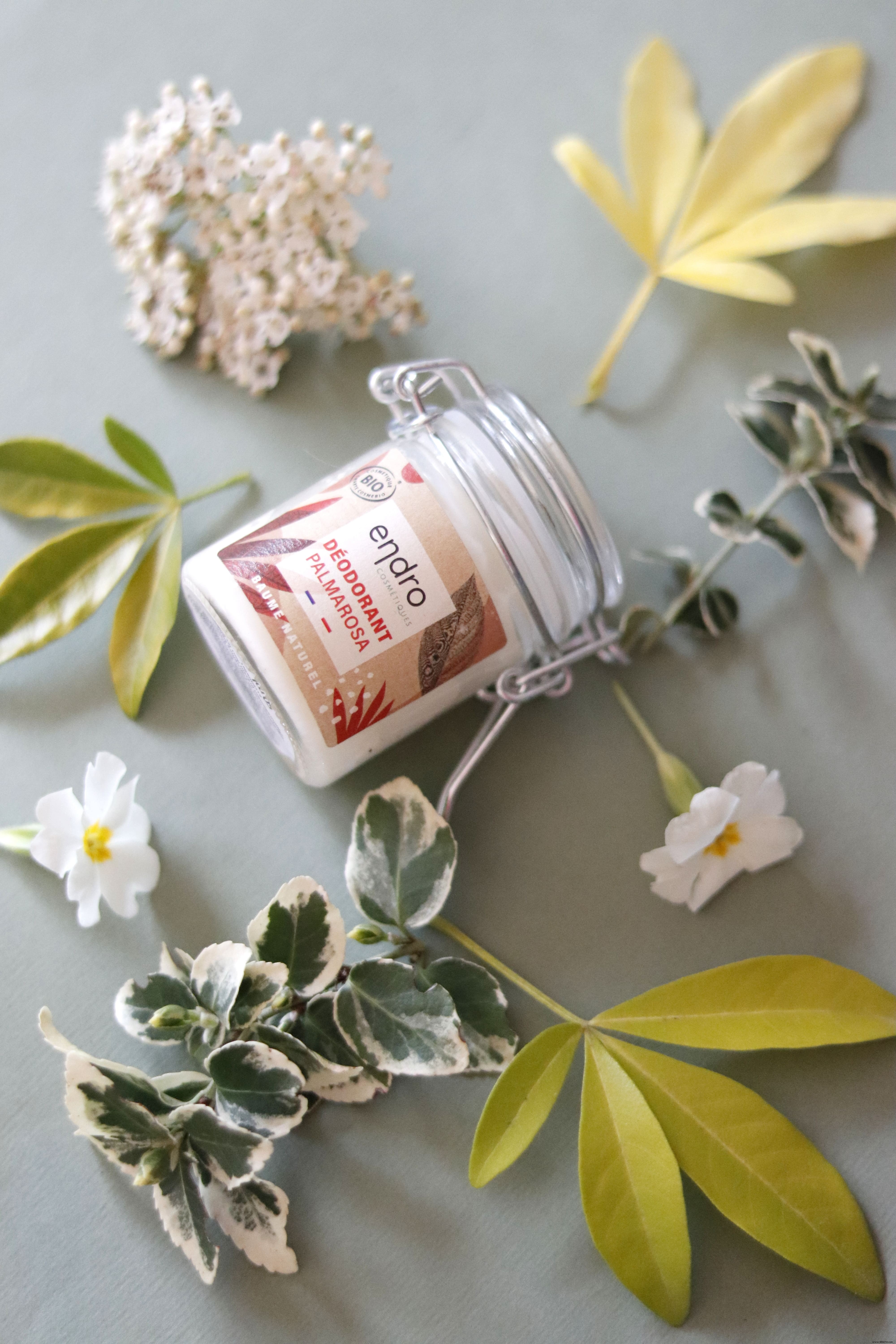
Inspired by plants and minerals, organic brands deliver chemical-free, high-efficacy options in solid, cream, or spray forms.
Conventional deodorants may contain harmful ingredients like parabens (propylparaben, butylparaben), silicones (cyclopentasiloxane), phenoxyethanol, or aerosol gases (butane, propane). These potential endocrine disruptors are absent in natural versions.
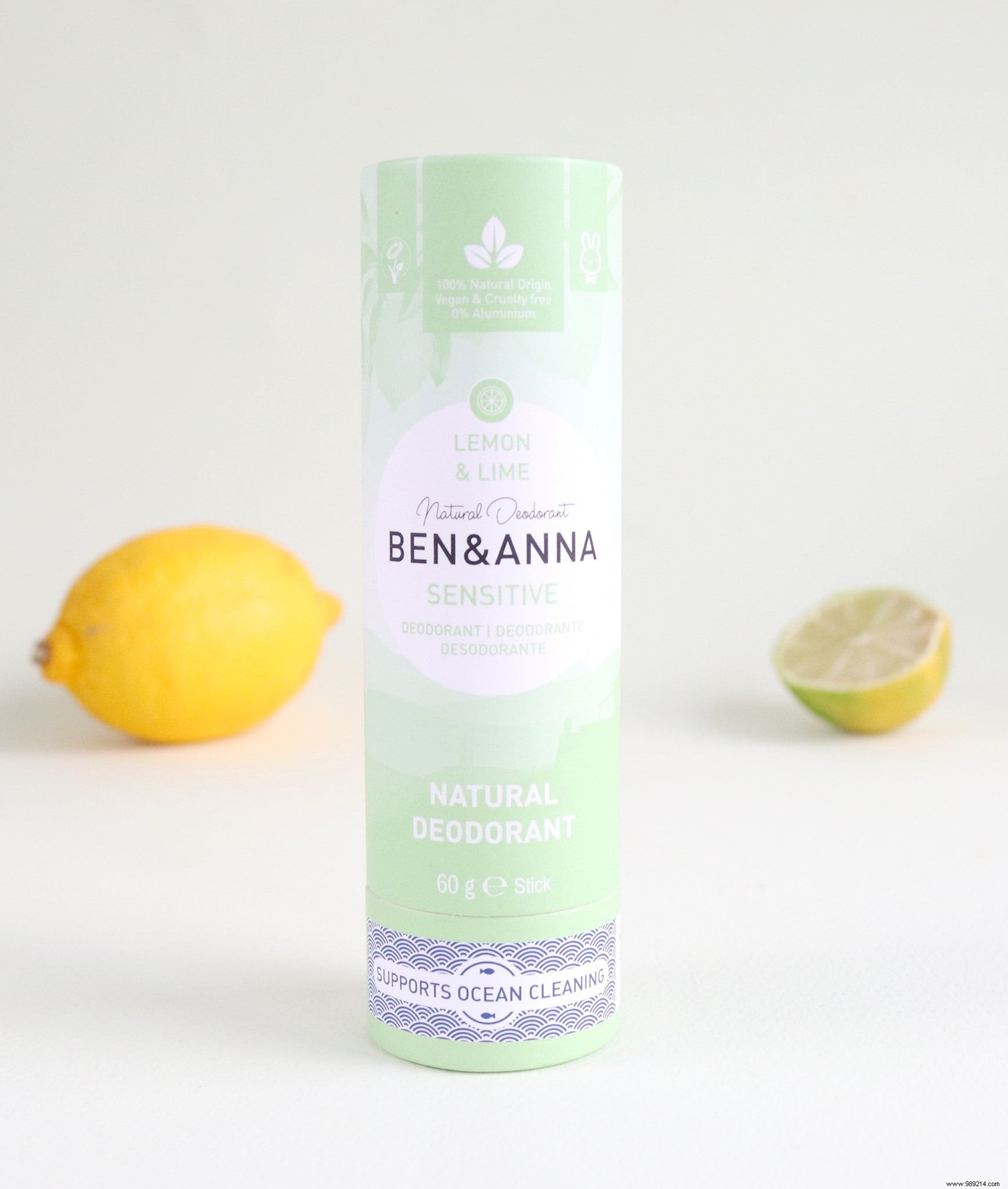
Antiperspirants often use aluminum salts, controversially linked to health issues like Alzheimer's or breast cancer—though unproven. Authorities advise caution; natural deodorants avoid them entirely.
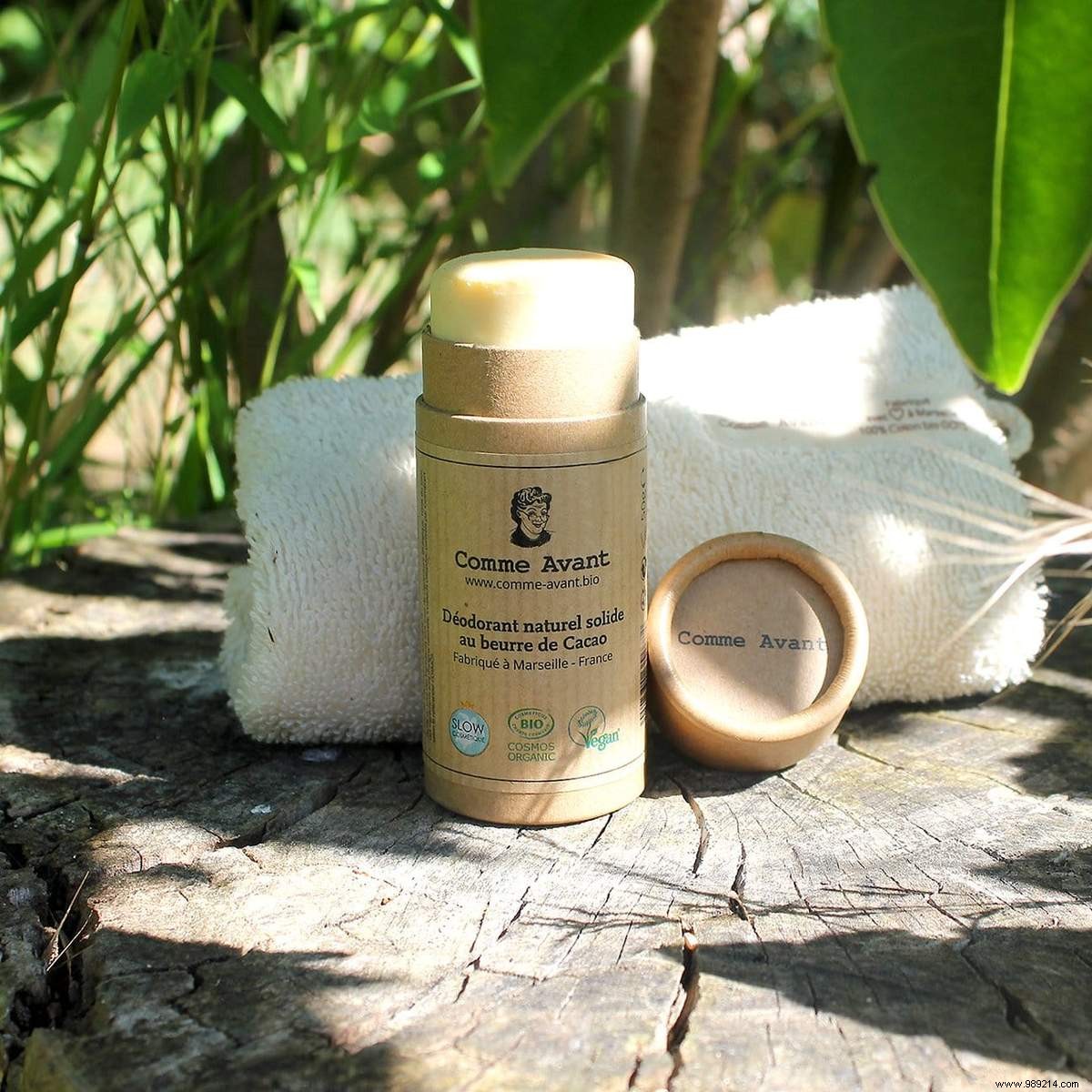
Progressive brands offer solid formats for zero-waste living. They're as effective as traditional ones while protecting the planet.
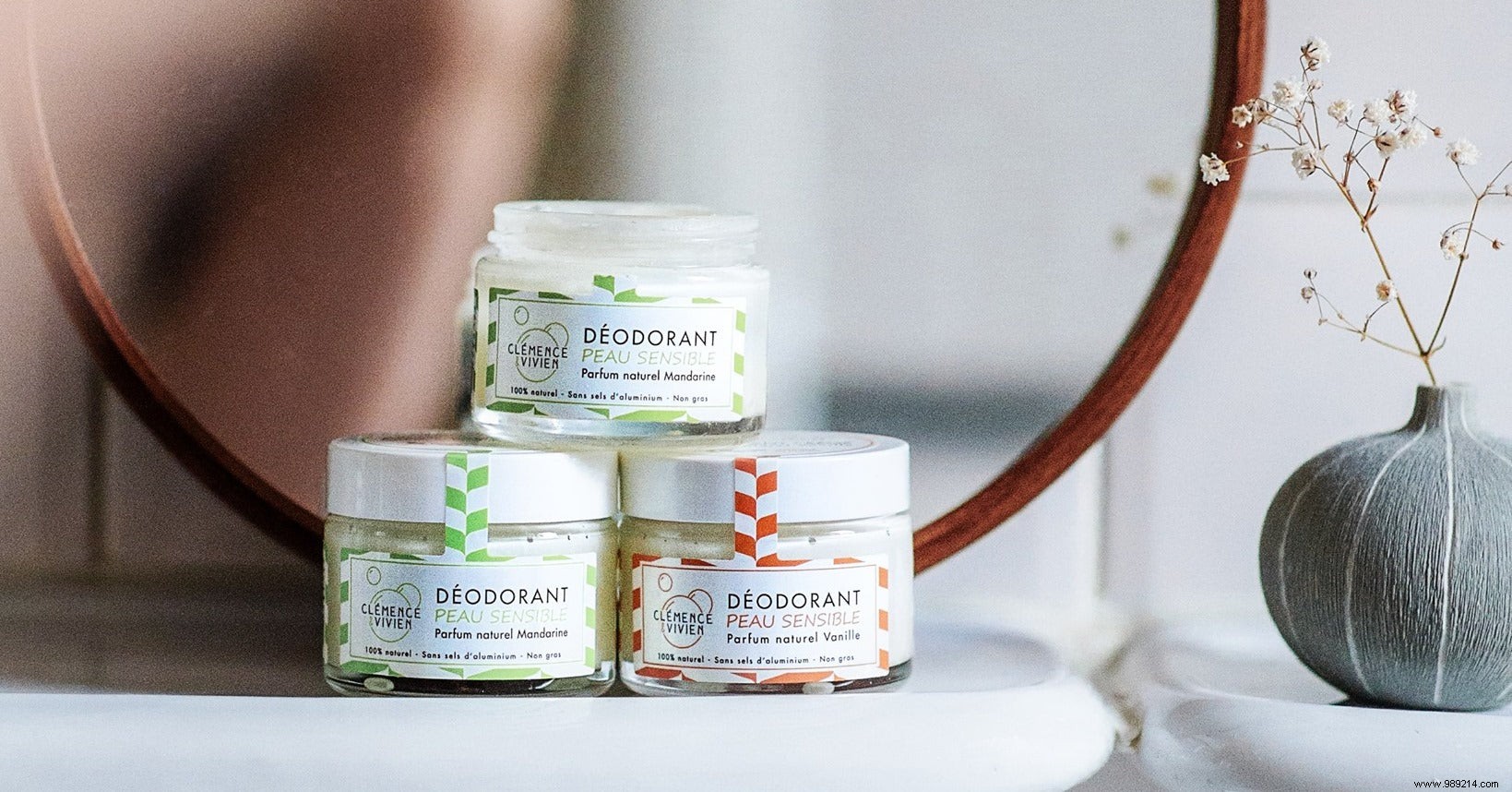
Compact and travel-friendly—perfect for office, gym, or vacations.
Trending and easy to apply, ideal for all skin types.
Portable classics for daily use.
Create your own with baking soda, cornstarch, essential oils, or clay.
Selecting an effective natural deodorant is straightforward. Evolving over centuries, today's organic options harness proven natural power—many zero-waste. DIY if you're crafty!
