Want to safeguard your healthy locks? Consider avoiding or minimizing these five hairstyles. While they look great, they can cause more damage than you realize. Drawing from years of stylist experience and trichologist insights, here's what to watch for—and smarter alternatives to keep breakage at bay.
A ponytail is quick and convenient, but it can harm your hair more than you think—especially if worn in the same spot daily. This constant pull stresses the same follicles, and a high ponytail strains delicate hairs along your hairline. Fabric hair ties add friction, worsening breakage, particularly on bleached or fragile strands. Tip: Vary placement, opt for smooth scrunchies or silk ties, and give your hair breaks to recover.
Read also: 'This way you can get your eyebrows in shape at home'
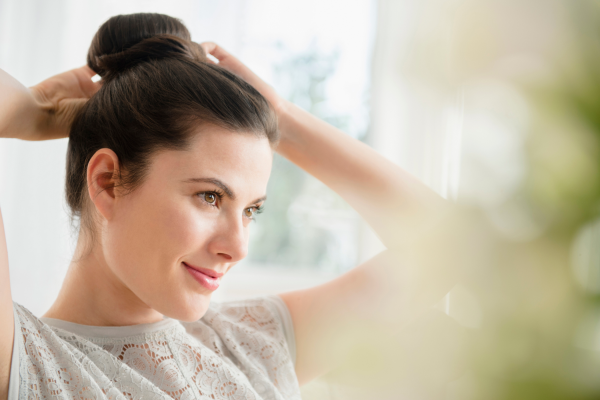
This effortless updo pulls hair tightly in one area, leading to tension and snaps—a common issue for fine hair types. Avoid high, super-tight buns; position lower and looser instead. Secure with a soft scrunchie or clips rather than twisting harshly for less strain.
Braids protect natural textures when done right, but overtightening damages hair and scalp alike. Never braid to the point of pain or soreness—that's traction alopecia in the making. Leave out edges, braid loosely, and use a silk bonnet at night to minimize friction against pillows.
Clip-ins, weaves, or knots stress roots if poorly applied, potentially causing bald patches. For extended wear, trust a professional stylist. Maintain gently: Wash once or twice weekly max, and condition deeply to support your natural hair.
Not a style per se, but pulling wet hair into ponytails or buns invites breakage. Wet strands are weakest and least elastic. Pat dry with a microfiber towel, air-dry mostly, or use low-heat blow-drying with protector spray before styling. Skip heat tools when possible, but wet manipulation is equally risky.
