Struggling with dull hair, a tight scalp, itchiness, or dandruff? Before reaching for that old bottle of Head & Shoulders, consider if you're properly moisturizing your scalp. The right shampoo tailored to your hair type can make all the difference.
Harsh shampoos strip your scalp's natural oils, leading to dryness, itching, and discomfort. Switching to gentle, natural products can transform your hair routine and improve your daily comfort—no more constant scratching!
In addition to better habits, regularly moisturizing your scalp prevents these issues and promotes long-term health.
A few years ago, I faced the same problems. I tried countless "soothing" supermarket treatments and pricey pharmacy shampoos that only dried my hair more. That's when I turned to natural hair care and consistent scalp moisturizing. In this guide, I'll share how I achieved a healthy scalp using proven natural methods.
Several imbalances affect the scalp, each with unique causes and symptoms:
Regardless of the type, use a mild, suitable shampoo and moisturize regularly to combat dryness.
Shampoo is the foundation of any hair routine and directly impacts scalp comfort. Apply it to the scalp, not lengths, to avoid stripping. Opt for organic, natural, gentle formulas.
For irritated scalps, select rebalancing, sanitizing, or purifying shampoos. They reduce excessive cell turnover causing dandruff and itchiness, while some regulate sebum for oily flakes.
Here’s our curated selection of shampoos for sensitive scalps:
Team tip: Avoid daily washing—it irritates the scalp, prompting excess sebum and worsening dandruff in a vicious cycle.
Masks are essential for nourished hair and a healthy scalp. While length-focused masks hydrate ends, purifying scalp masks detoxify and balance sebum.
Prep with a stimulating brush, apply the mask per instructions, then shampoo as usual.
DIY option: Mix aloe vera (soothing) with rhassoul clay (impurity-absorbing).
Discover our favorite scalp masks:
Aloe vera, renowned for soothing sunburns, works wonders on scalps too. It hydrates, calms, and restores.
Post-shampoo, apply directly with a comb, section by section, for 5-10 minutes weekly.
Aloe vera is a bathroom staple for skin, lengths, split ends, and curls.
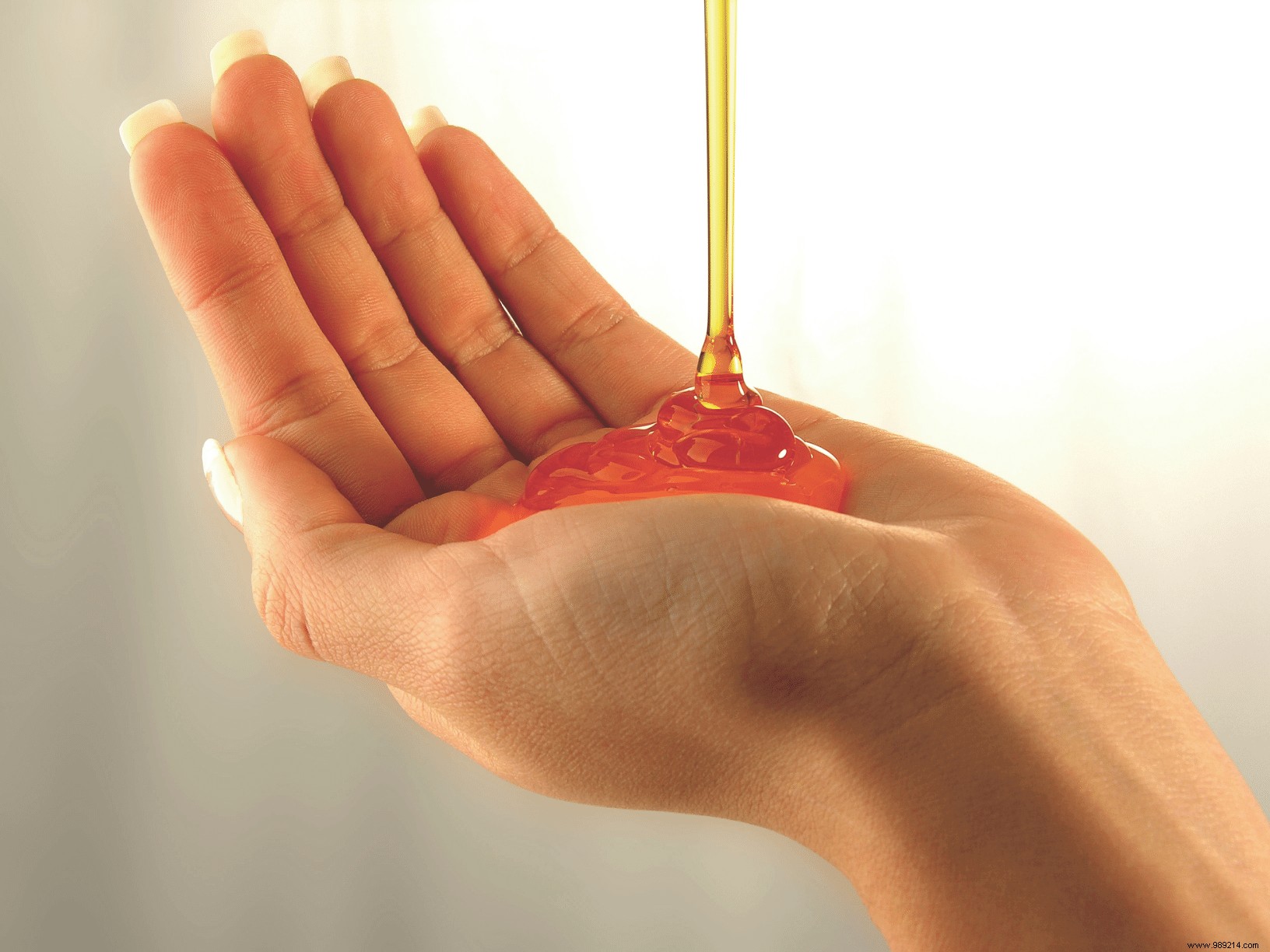
Scalp massages with oils provide deep hydration. Coconut fights dandruff and fungi; neem targets psoriasis; jojoba, castor mimic natural sebum. Mix with tea tree essential oil for extra itch relief.
Minimize straighteners, dryers, and heat appliances—they irritate scalps and damage lengths.
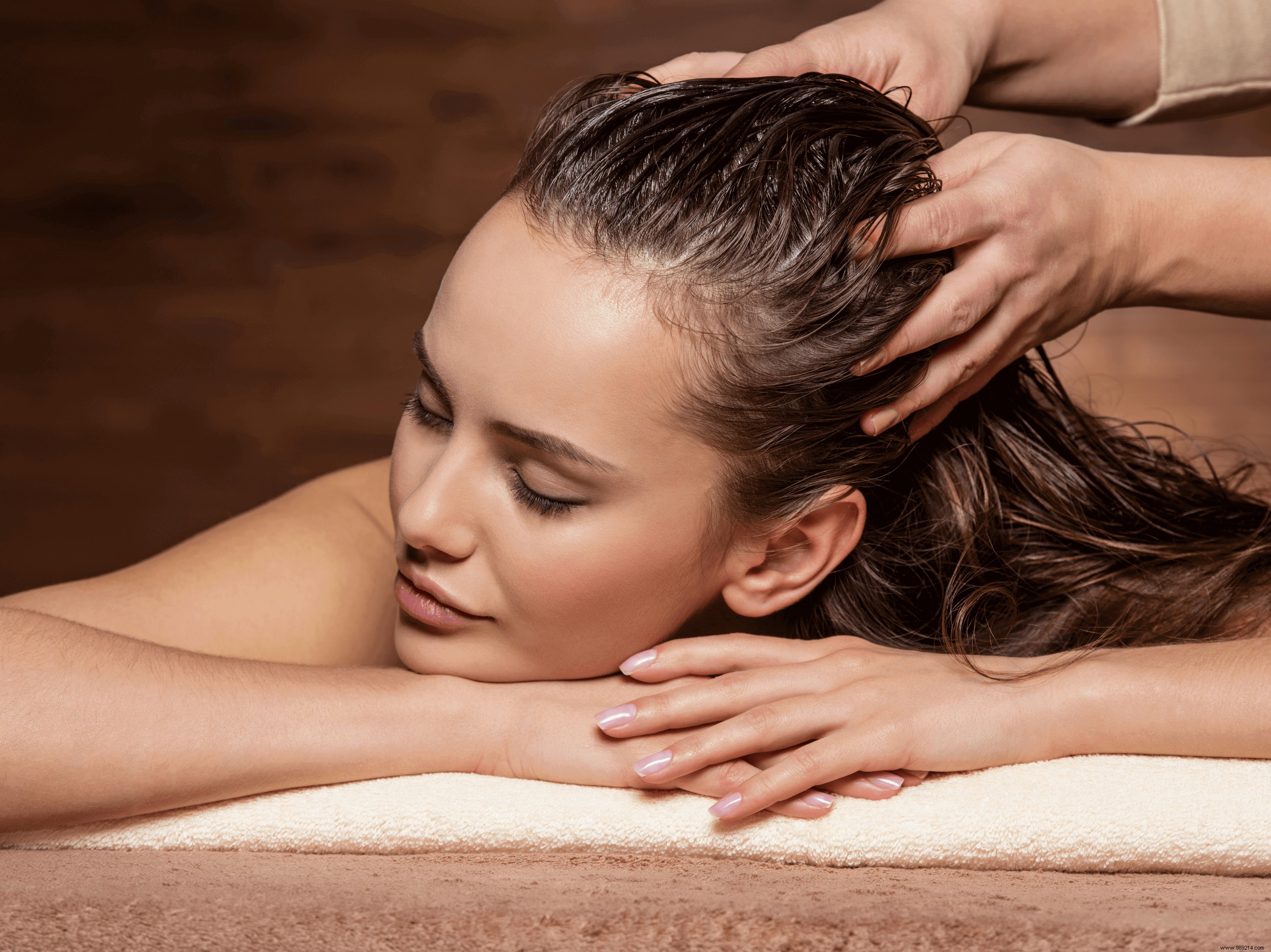
Massages boost microcirculation for stronger, resilient hair and well-being. Scrubs with gentle grains stimulate growth and control sebum.
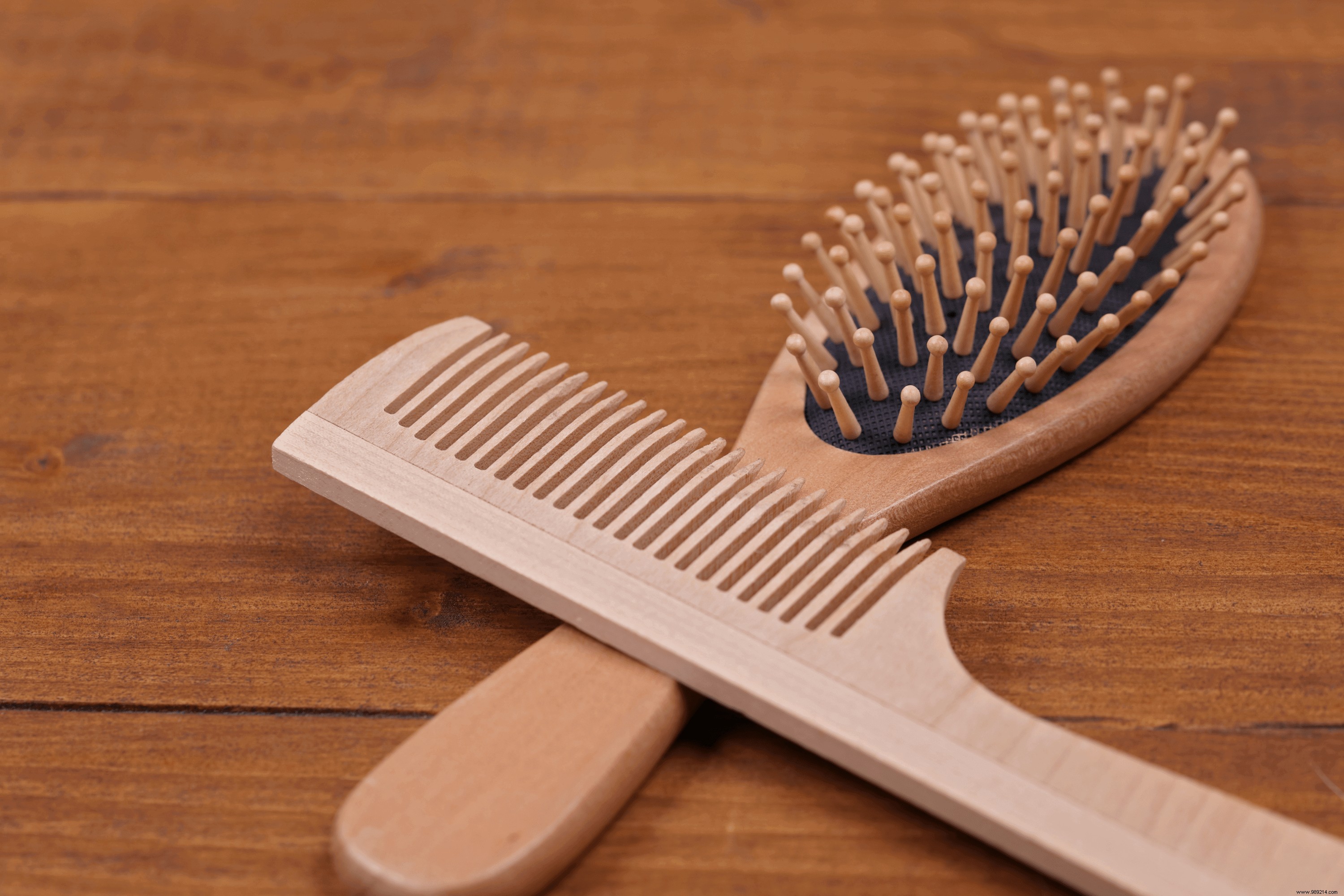
For healthy scalp and hair, choose wisely. Les Tendances d'Emma's bamboo Hair Towel dries quickly without fiber damage. Tek brushes/combs—natural, hypoallergenic, antistatic—promote circulation, remove dead hair, and balance sebum/keratin.
These tips solved my itchy scalp—share yours in the comments!