Contrary to popular belief, sensitive skin isn't a skin type—it's a skin condition. Skin types include dry, normal, combination, and oily. Skin conditions, like reactive skin, mature skin, dehydrated skin, or acne-prone skin, can affect any type. Oily skin might become sensitive, or dry skin mature. These issues impact women and men alike. Drawing from dermatological insights, we'll explore sensitive skin and share proven care routines to soothe it and restore comfort.
PS: For any purchase of €65 minimum, enjoy a €5 discount with promo code CONSEILBEAUTE1—perfect for enhancing your sensitive skin routine!


Sensitive skin, or reactive skin, often feels uncomfortable—tight, burning, or itchy. It's fragile and intolerant, reacting to temperature changes, creams, tap water, or even food. This stems from a compromised skin barrier: damaged and porous, it offers less protection against external aggressors, leading to dehydration and a weakened hydrolipidic film. Though temporary, hypersensitivity causes significant discomfort and, in severe cases, can lead to peeling, psoriasis, or eczema.
Several factors can provoke reactive skin, including:
These can affect the face, body, or even the scalp.

Diagnosing sensitive skin is subjective; even clinical exams rarely pinpoint causes due to diverse triggers. Dermatologists or allergists can help identify irritants for long-term relief.
Self-assess: Does your skin feel tight, irritated, or itchy? Does it redden with temperature shifts or emotions? Is it persistently uncomfortable? If yes, you're likely experiencing sensitivity. Affecting about 1/3 of the population—mostly women—it's manageable with the right strategies, detailed below.
Building a beauty routine for sensitive skin requires tailoring to your unique triggers. While individual needs vary, these expert-recommended steps provide relief.

Cleansing skin concerns can turn painful for sensitive types—even water contact stings, especially calcareous tap water.
Opt for gentle, unctuous textures like organic cleansing oils. They remove makeup without irritation, nourish, and soothe. Look for calendula (calming, restorative), sweet almond (reduces redness, itching), or hazelnut oil (moisturizing, protective). Pure vegetable oils work too.
For facial cleansers, choose creamy milks—often no-rinse—with natural actives like mallow, chamomile, aloe vera, or plant butters/oils.
Try these sensitive-skin-friendly makeup removers. Pro tip: Skip tap water; use thermal water, hydrosols, or floral waters (plantain, helichrysum, lemon balm) to rinse away limescale.
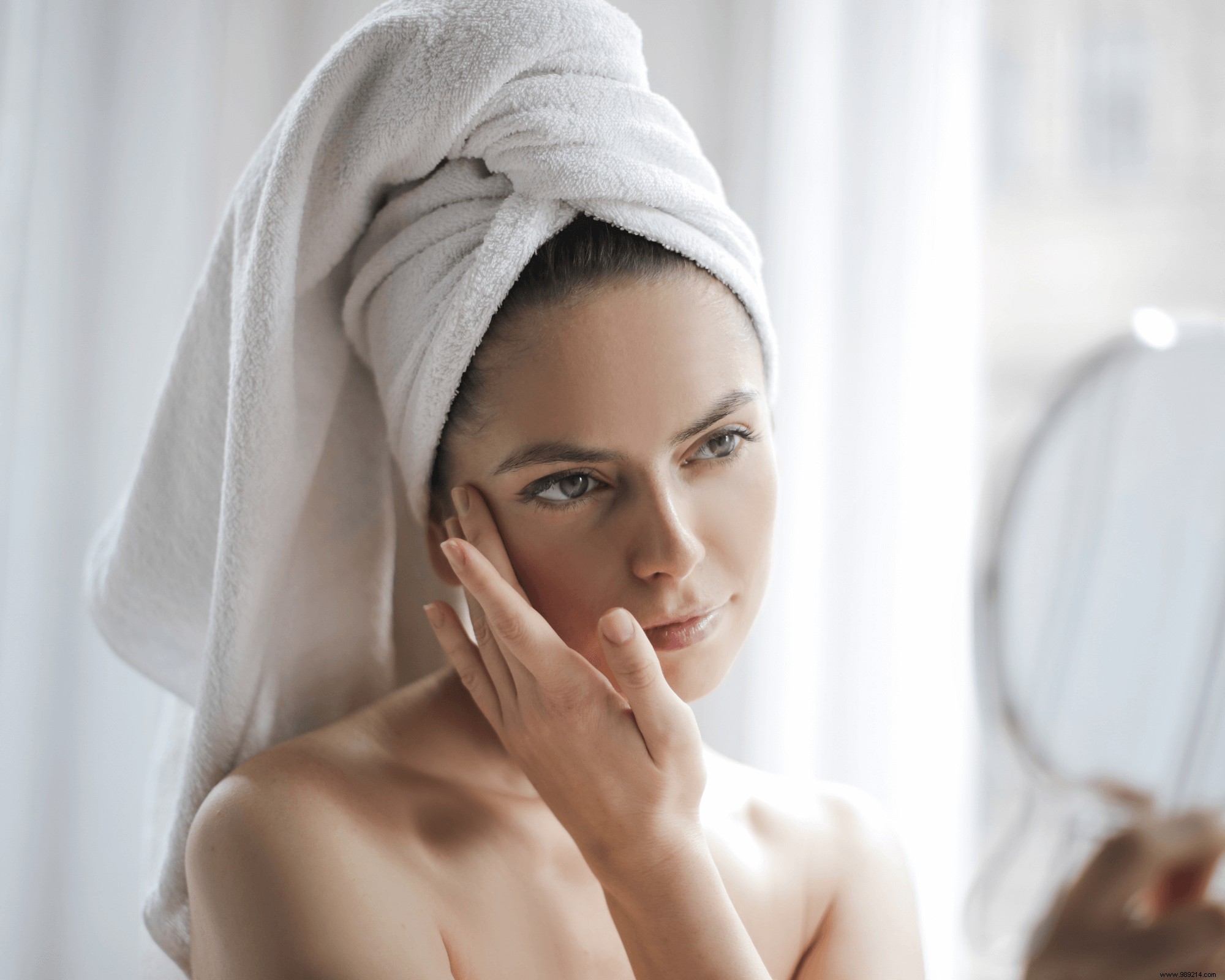
Hydrating sensitive skin demands consistency over trial-and-error. Seek nutritive creams that moisturize, nourish, and reinforce the hydrolipidic film. Thick, smooth textures with calming actives like blueberry, sweet almond, aloe vera, or hyaluronic acid excel.
Boost with a serum like Indeme Anti-Irritation Lotion or Florame Tolerance Soothing Moisturizing Serum before cream for targeted relief.
Skip aggressive peels and scrubs—they exacerbate sensitivity. For flaking, use Pai Skincare's Virtuous Circle Face Scrub 1-2 times monthly: gentle jojoba pearls with protective kukui oil.
Masks are ideal 1-2 times weekly: moisturizing, soothing, nourishing, repairing, or radiance-boosting. Avoid purifying ones. DIY: Pure aloe vera gel for regeneration and hydration.

Steer clear of these with reactive skin:
These evidence-based tips address your skin's needs. If discomfort persists, consult a dermatologist. Share your routine in the comments!
