Men's fashion evolves more subtly than women's, yet the necktie stands out as a versatile masculine accessory that invites endless creativity. Here's its remarkable story, drawn from historical records and fashion expertise.
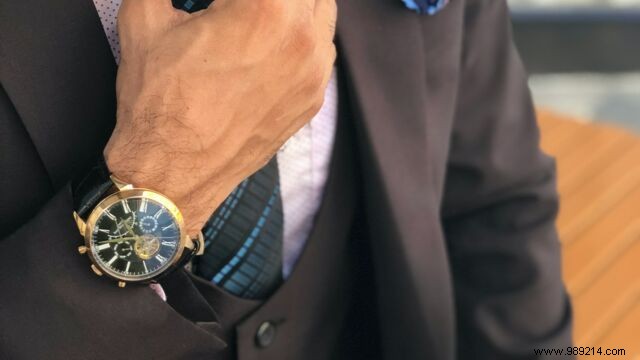
An essential companion to suits or casual looks, the tie has become a daily staple. But its origins stretch back millennia. As a seasoned fashion historian, I've traced its path through civilizations.
In antiquity, Roman legionnaires and orators wore a small cloth around their necks for warmth, known as the focarium, or focale in modern terms.
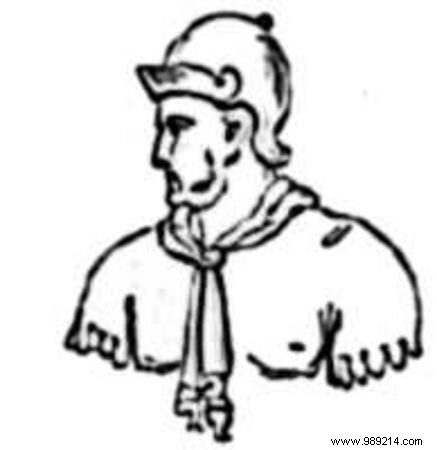
This wasn't unique to Rome. Terracotta figures from China's Terracotta Army depict soldiers wearing similar neck cloths for protection, dating back two centuries before Christ.
Centuries later, during the 17th century under Louis XIII, amid Europe's Thirty Years' War, French forces recruited Croatian hussars. These soldiers were identifiable by white fabric bands around their necks for the cold.
French uniforms, with bulky medieval-inspired collars, paled in comparison. The royal court quickly adopted the Croatian style, particularly the neck cloths.
Louis XIII renamed the unit the Royal-Cravates Regiment. 'Cravate' derives from 'Croate,' evolving into today's 'cravat' or tie. It soon became a fashionable accessory for soldiers.
The court diversified designs to match era garments, gaining traction under Louis XIV at Versailles, then spreading to England, Europe, and worldwide.
By the early 20th century, ties were ubiquitous, refined from 19th-century versions. Knitwear specialists emerged, and New York tie maker Jesse Langsdorf revolutionized the design.
Frustrated by twisting ties, Langsdorf created a model with 45° angled ends, sewn along the back. This slimmed the center, ensuring it lay flat against the body without curling.
Mastering the knot takes practice, but most men acquire this skill. From basics to artisanal varieties, options abound: silk, slim or wide, grenadine, cashmere, satin; patterns like stripes, polka dots, checks, jacquard. Accessories elevate it further.
