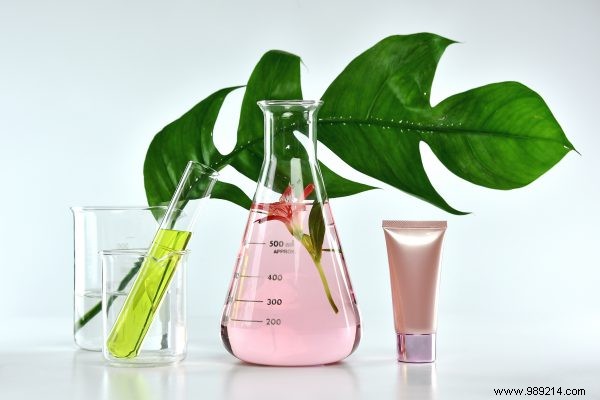
Minimal chemicals, maximum plant-based goodness—that's the promise of natural cosmetics, and it's music to your skin's ears. But how can you tell if a product truly lives up to the 'natural' hype?
If your cream, cleanser, or mask boasts labels like 'natural' or 'all natural,' it likely skips harsh additives such as perfumes, alcohol, and parabens. Yet, these terms aren't regulated, so even a single natural ingredient can qualify a product for the claim. Always check the details.
Read also: 'This is how you organize a spa evening with products from your own kitchen'
For savvy shopping, decode the ingredient list. Got sensitive skin? Steer clear of irritants like perfume, denatured alcohol, and sodium lauryl sulphate (SLS). Even natural extracts from lavender, mint, or ylang ylang can sometimes provoke reactions despite their appealing scents.
Trustworthy, skin-loving naturals backed by science include green tea extract, soybeans, grapeseed oil, oatmeal, and soothing licorice root. These deliver real benefits without compromise.
In truth, 'natural' doesn't always mean superior. Today's labs craft stable, effective synthetics like vitamin C and vitamin B3 that outperform many naturals. Pair them with gentle carriers—almond oil, coconut oil, aloe vera, sunflower oil—and you've got a winning formula.
…the position on the ingredient list reveals concentration? Ingredients listed first are present in the highest amounts.
So, a 'natural' cream with extracts buried at the bottom? It's more marketing than substance. Seek out certified green products where natural actives lead the list.
Recommendations
