Mango, the popular Spanish fashion brand, ignited a firestorm of controversy with its launch of jewelry dubbed "slave style." According to the brand's spokesperson, the uproar stems from a simple translation mishap. Was it a genuine oversight or a savvy publicity stunt? 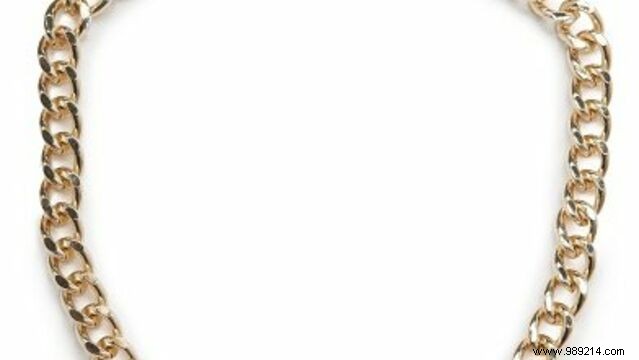
Possibly inspired by the Django film's edgy aesthetic, Mango introduced a line of bold chain bracelets and necklaces. While the designs appealed to many style enthusiasts, the provocative name "slave style" drew swift backlash from social media users, influencers, and anti-racism advocates.
Mango Under Fire
Last week, the women's ready-to-wear retailer listed these chunky-link accessories on its website. The collection's allure was overshadowed by its moniker, prompting outrage from public figures and online communities alike.
Over the weekend, former Miss France Sonia Rolland, actress Aïssa Maïga, and commentator Rokhaya Diallo spearheaded a petition demanding the items' removal and a brand boycott. "By reducing this crime against humanity to a decorative ornament, Mango seriously fails in the ethics that such a brand should carry. Slavery is not a 'style' for fashionistas in search of strong feelings, nor a commercial niche. It is a drama whose seriousness must be respected," the petition states. It has garnered nearly 5,000 signatures. Twitter users piled on, with @DavidAbiker quipping: "After Mango's slave style necklace, you'll like the deported style pajamas and the battered woman's ripped-chic jeans."
Buzz or Bug?
In response to the criticism, Mango removed the term "slave" from its product descriptions on Monday and issued an apology on Twitter: "We regret the translation error. The corresponding services have been notified and will make the correction immediately." In Spanish, "esclava" commonly refers to a bracelet or chain in jewelry contexts—a usage longstanding and uncontroversial for decades.
Critics remain unconvinced, pointing to visual similarities between the pieces and historical slave collars, dismissing the excuse as flimsy. Whether a linguistic slip or a bold choice, Mango's jewelry dominated online conversations, turning a potential misstep into widespread media buzz.
